 listicle
Heavy-Duty Grills for Outdoor Cooking: A 2026 Buying Guide
Table of Contents
- What Makes a Heavy-Duty Grill Worth the Investment
- Heavy-Duty Charcoal vs Gas Grill: Which Performs Better
- Key Specifications That Define Performance
- Heavy-Duty Grill Types for Different Cooking Styles
- How to Maintain a BBQ in Cold Weather
- Warranty and Parts Availability in Canada
- Verdict: Which Heavy-Duty Grill Wins
- Conclusion
Last Updated: August 12, 2026
What Makes a Heavy-Duty Grill Worth the Investment
A heavy-duty grill separates casual backyard cooking from serious outdoor cuisine. The difference comes down to heat retention, durability, and the ability to handle everything from low-and-slow smoking to high-temperature searing without warping or deteriorating.
Most people replace a grill within five years. Weather-resistant materials, quality grates, and strong construction mean a heavy-duty grill can outlast that timeline by decades. Material thickness, heat distribution, and seasonal resilience determine performance longevity. Cast iron grates hold heat longer than thin steel. Stainless steel bodies resist rust better than painted finishes. Ceramic construction in kamado-style grills delivers unmatched heat retention and fuel efficiency.
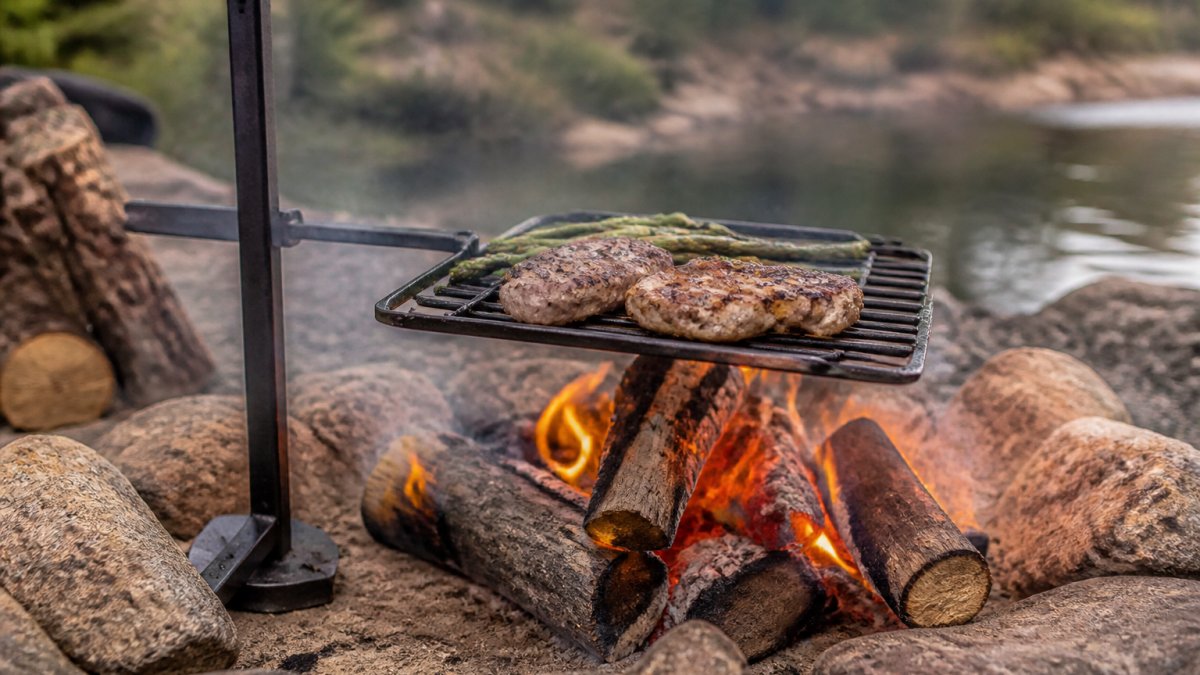
At Browns Outpost, the ANVIL adjustable campfire grill embodies this philosophy. Built from hand-crafted raw carbon steel and backed by a lifetime warranty, it's engineered to handle serious outdoor cooking across any fire condition. The adjustable design lets you control heat height precisely, whether cooking over coals or open flame. The real value emerges over years of use: a quality grill becomes your go-to for entertaining, camping trips, and weekend projects while handling weather that destroys cheaper alternatives.

Heavy-Duty Charcoal vs Gas Grill: Which Performs Better
The choice between charcoal and gas depends on what you're cooking and how you want to cook it. Both deliver excellent results when built with quality materials.
Charcoal Grills for Heat Retention and Flavor
Charcoal burns hotter and retains heat longer than gas, making it ideal for serious searing and smoking. Ceramic kamado grills like the Kamado Joe Classic III and Big Green Egg excel at this: their design traps heat inside, creating an insulated cooking environment that uses less fuel and maintains precise temperatures for hours.
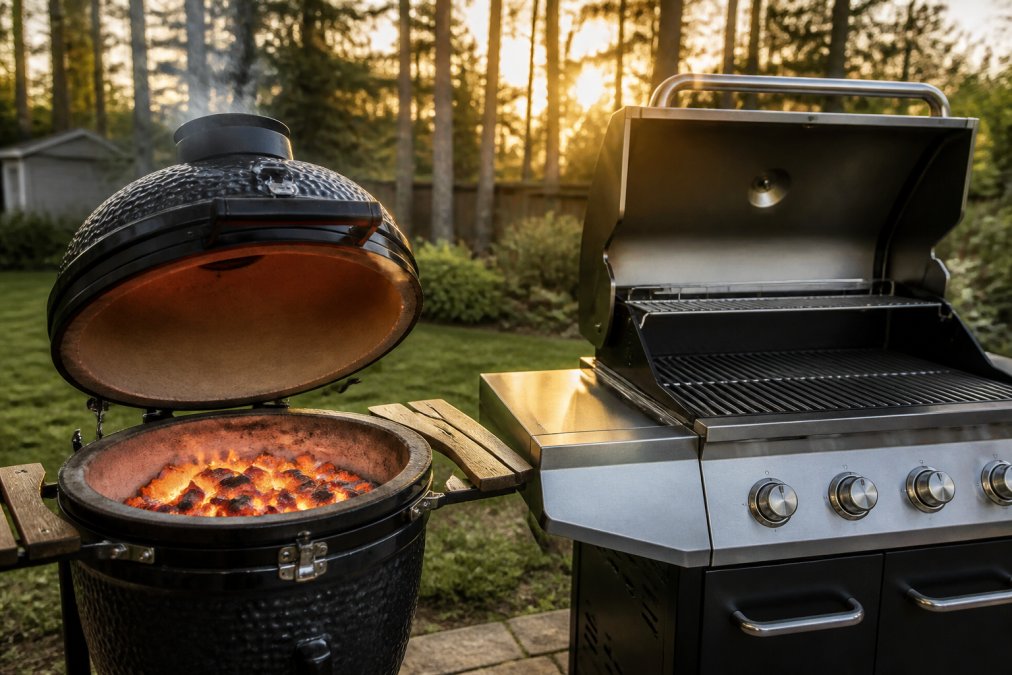
Charcoal adds flavor that gas cannot replicate. The smoke and char are integral to the cooking process. If you're smoking brisket for eight hours or want authentic wood-fired flavor, charcoal is your answer. The Kamado Joe Classic III, priced at approximately C$1,999 CAD, includes a 3-tier flexible cooking system and hyperbolic smoke chamber designed for even heat distribution. The Big Green Egg Large (from C$2,449.00 for the ceramic shell alone) offers similar versatility with lifetime ceramic warranty coverage.
The tradeoff: charcoal requires more attention. You're managing fuel, monitoring temperature through vents, and planning cook times around burn rates. For camping and remote cooking, this hands-on approach is part of the appeal. For weekend entertaining where you want set-it-and-forget-it convenience, it's a drawback.
Gas Grills for Convenience and Temperature Control
Gas delivers instant heat and precise temperature control with minimal fuss. The Weber Summit S-670 (C$4,199.00) and Napoleon Prestige PRO 665 RSIB (C$4,049.00) represent the high end, offering multiple burners, infrared side burners for searing, and rotisserie systems.
Gas grills excel at entertaining. You can manage multiple cooking zones simultaneously, searing steaks on one side while keeping vegetables warm on another. Temperature control is precise enough for delicate fish or low-temperature roasting.
The limitation: gas lacks the flavor depth of charcoal. Many gas grill users add smoker boxes or wood chips to compensate, but it's not the same as true charcoal cooking. Gas also requires propane delivery and storage.
For Canadian conditions, gas grills have a winter advantage. Charcoal performance drops in cold weather, requiring more fuel to maintain heat. Gas remains reliable across temperature ranges, making it better for year-round grilling in colder regions.
Key Specifications That Define Performance
BTU Ratings and Heat Output Explained
BTU (British Thermal Units) measures heat output, but the number alone doesn't tell the full story. What matters is how heat is distributed across the cooking surface. The Weber Summit S-670 produces 60,000 BTU across six burners, roughly 10,000 BTU per burner. The Napoleon Prestige PRO 665 RSIB generates 99,000 BTU total but spreads that across more burners and includes infrared zones, which concentrate heat differently than standard burners. Infrared burners create intense, focused heat ideal for searing, with temperatures exceeding 370°C at the grate.
For practical purposes: 50,000-60,000 BTU is sufficient for most home entertaining. Above 80,000 BTU, you're paying for features you may not need unless cooking for large groups regularly. Charcoal grills don't use BTU ratings, but ceramic kamado grills achieve similar or superior heat output through insulation rather than raw burner power.
Cooking Surface Area and Grate Materials
Cooking surface area determines how much food you can prepare simultaneously. The Weber Summit S-670 offers 769 square inches total. The Napoleon Prestige PRO 665 RSIB provides 1,140 square inches. For a family of four cooking twice weekly, 400-500 square inches is adequate. For entertaining groups, 700+ square inches prevents bottlenecks.
Grate material affects heat retention and cleaning ease. Cast iron grates, like those on the ANVIL adjustable campfire grill, hold heat exceptionally well and develop seasoning over time. Stainless steel grates resist rust and require less maintenance but don't retain heat as effectively. Heavy-duty grills use thicker grates (typically 9.5 mm cast iron versus 6.35 mm on budget models). Thicker material means longer heat retention, better sear marks, and longer lifespan.
Heavy-Duty Grill Types for Different Cooking Styles
Freestanding Gas Grills
Freestanding gas grills offer flexibility and can be placed anywhere without permanent installation. The Coyote C-Series Freestanding Grill (C$1,899.00) exemplifies this category: premium 304 stainless steel construction, integrated cart with storage, and lockable casters for mobility.
Freestanding models work well for backyards where you want to avoid permanent installation or may relocate seasonally. The downside: they're vulnerable to wind without fixed installation, and they require propane tank storage nearby. For Canadian winters, storing propane tanks outdoors in extreme cold requires special precautions, as propane pressure drops significantly below -20°C, reducing burner output.
Ceramic Kamado Grills
Kamado-style ceramic grills represent the premium charcoal option. The Kamado Joe Classic III and Big Green Egg Large both use ceramic construction that insulates heat, allowing cooking from 107°C (for smoking) to over 370°C (for searing) using minimal charcoal.
These grills excel at versatility. You can bake pizza, smoke ribs, sear steaks, and roast vegetables on the same grill. Once you understand vent control, you can maintain precise temperatures. They're heavier than gas grills and require proper placement, but their durability is exceptional. Both models include lifetime ceramic warranty coverage.
Campfire and Portable Grills
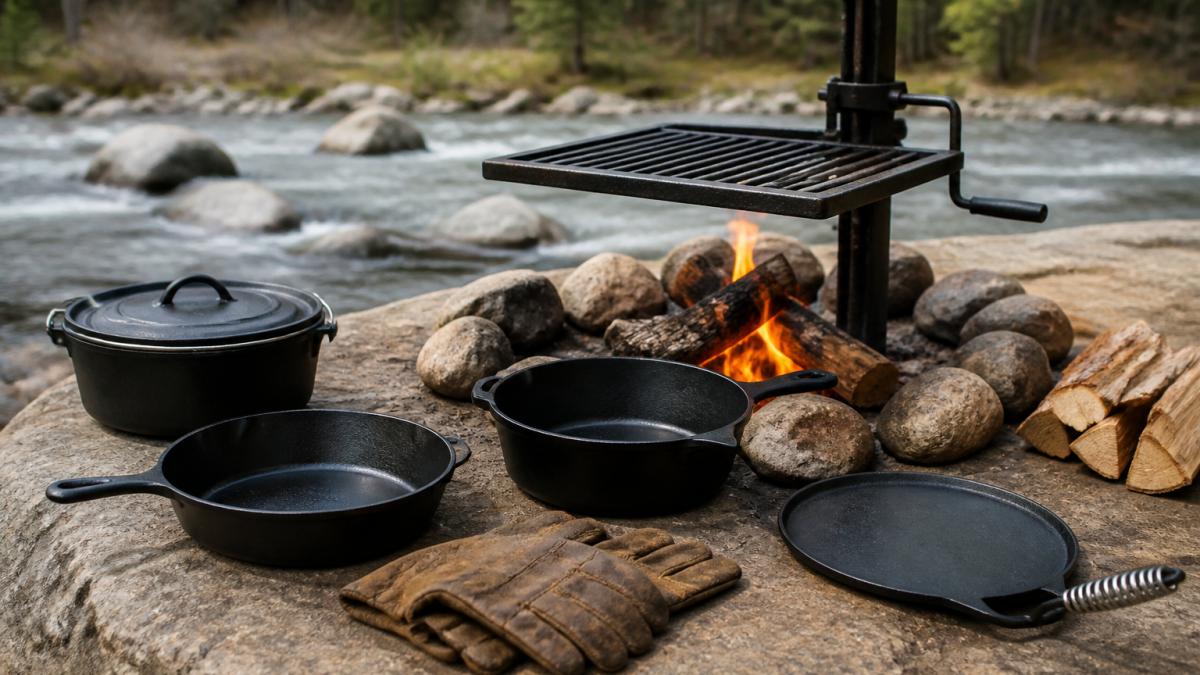
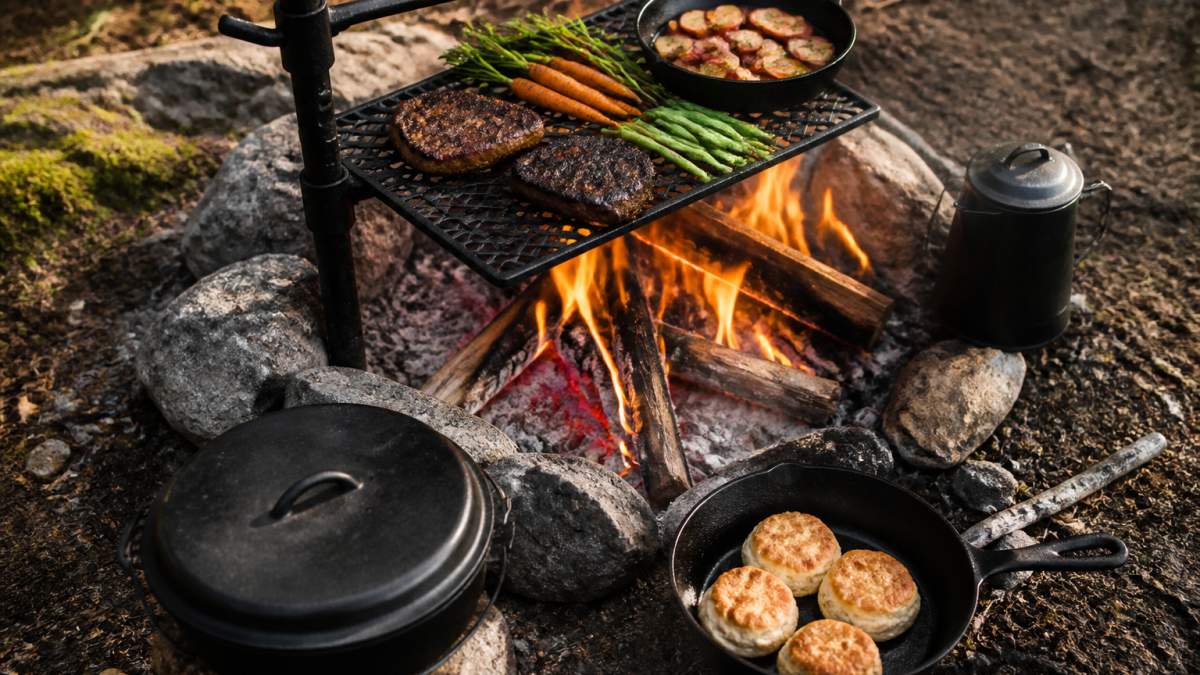
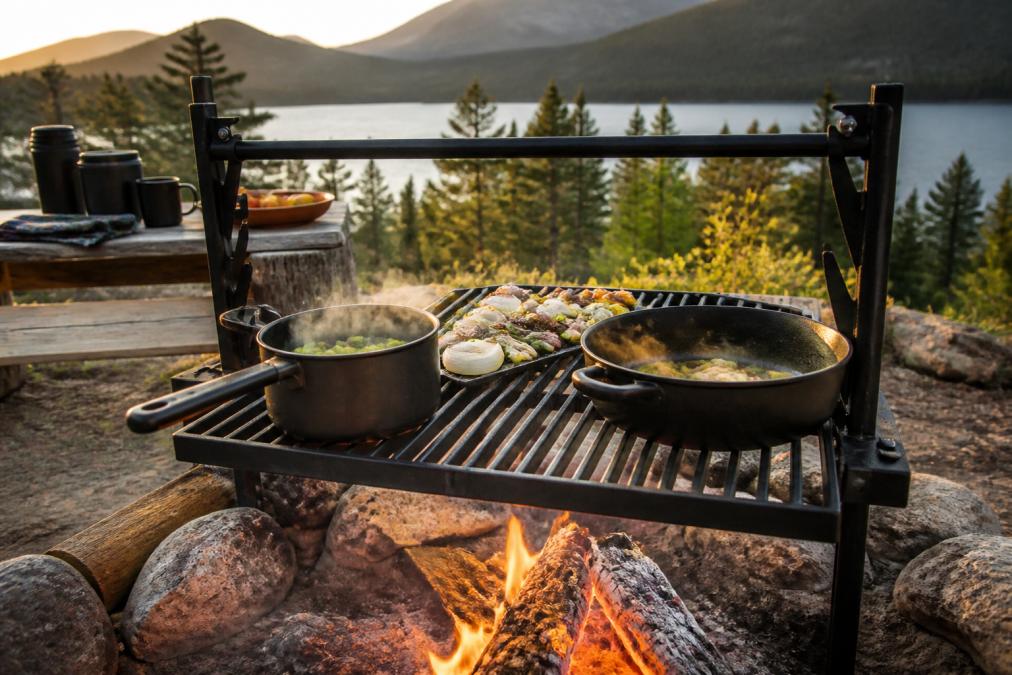
For camping, hunting trips, and remote cooking, portable and campfire grills are essential. The ANVIL adjustable campfire grill ($174.99 at Browns Outpost) fills this category perfectly. Its adjustable height mechanism lets you control heat by raising or lowering the grate above coals or flame. The hand-crafted raw carbon steel construction handles direct fire, and the lifetime warranty means it's a one-time investment.
Portable grills sacrifice cooking surface area for mobility and adaptability. They're designed for flexibility: cook over campfire coals, wood fire, or portable burners. The ANVIL's versatility makes it ideal for hunters and wilderness explorers who need reliable equipment in unpredictable conditions.
How to Maintain a BBQ in Cold Weather
Cold weather accelerates grill deterioration if you don't take preventive steps. Snow, ice, and temperature swings cause expansion and contraction, stressing metal joints and finishes.
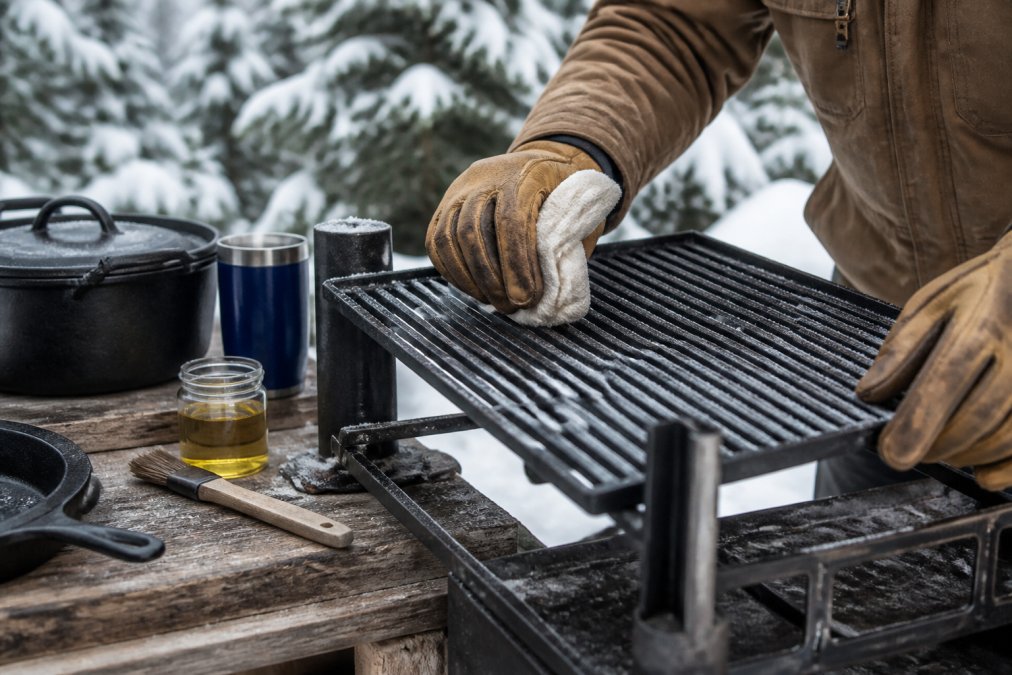
Start with protection: cover your grill when not in use to prevent snow accumulation and UV damage. For gas grills, disconnect the propane tank before winter storage if you won't use it for extended periods.
Clean your grates after each use, even in winter. Grease buildup attracts moisture and accelerates rust. For cast iron grates, apply a light coat of oil after cleaning to maintain seasoning. Oil creates a protective barrier against moisture.
Check for water pooling in the grill's interior. Melting snow can collect in low spots and freeze again, creating stress points. Tilt the grill slightly if possible to encourage drainage, or manually remove standing water before it freezes.
For charcoal and kamado grills, moisture is the enemy. Store charcoal in a dry location; wet charcoal won't light reliably. Ceramic grills are naturally moisture-resistant, but ensure level ground so water doesn't pool around the base.
Temperature fluctuations cause the most damage. A grill that cycles between -20°C and 5°C multiple times stresses seals and joints. Keep your grill in a sheltered location (against a wall or under an overhang) rather than in open exposure.
Warranty and Parts Availability in Canada
Warranty coverage separates quality grills from disposable ones. The ANVIL adjustable campfire grill comes with a lifetime warranty. If the carbon steel fails under normal use, it's replaced. This reflects confidence in materials and manufacturing.
High-end gas grills typically offer 5-10 year warranties on the body and 1-3 years on electronic components. The Weber Summit S-670 includes a 10-year limited warranty on the grill body. The Napoleon Prestige PRO 665 RSIB offers similar coverage. These warranties cover manufacturing defects but usually exclude weather damage or improper maintenance.
Ceramic kamado grills include lifetime warranties on ceramic components. This is significant, as the ceramic shell is the most expensive part. Accessories and metal parts have shorter warranties.
Parts availability matters in Canada. Major brands like Weber, Napoleon, and Kamado Joe have Canadian distributors and parts networks. Replacement grates, burners, and seals are readily available. For the ANVIL grill, Browns Outpost ships across Canada with free shipping over C$75, and replacement parts are available directly through their website.
Before buying, verify that replacement parts are available in Canada. A great grill at a discount price becomes frustrating if you can't source a replacement burner or grate when needed.
Verdict: Which Heavy-Duty Grill Wins
There's no single "best" heavy-duty grill because the right choice depends on your cooking style, space, and budget.
For serious charcoal enthusiasts: The Kamado Joe Classic III or Big Green Egg Large offer unmatched versatility and heat retention. They're expensive (C$1,999 CAD and from C$2,449.00 respectively), but they're investments lasting decades.
For gas grill entertaining: The Napoleon Prestige PRO 665 RSIB (C$4,049.00) balances performance and price better than the Weber Summit S-670 (C$4,199.00).
For versatility and durability without complexity: The ANVIL adjustable campfire grill from Browns Outpost ($174.99) is the standout value. For camping, hunting, and open-fire cooking, nothing else matches its adjustability and lifetime warranty. Pair it with the roasting pan ($48.99) or griddle ($37.99) for a complete portable cooking system.

For year-round Canadian grilling: Gas grills perform more reliably in cold weather than charcoal. The Napoleon Prestige PRO 665 RSIB maintains consistent heat even when temperatures drop.
If you grill frequently and value flavor, invest in charcoal or ceramic. If you entertain regularly and want convenience, gas is pragmatic. If you need portability and durability for remote cooking, the ANVIL grill delivers professional results at an unbeatable price point.
Choosing a heavy-duty grill is choosing reliability for years of outdoor cooking. Whether you're smoking brisket for a hunting camp or entertaining guests in your backyard, the right equipment makes the difference. Browns Outpost's ANVIL adjustable campfire grill delivers professional culinary results with hand-crafted raw carbon steel construction, adjustable heat control, and a lifetime warranty, all backed by free shipping over C$75. Get started with Browns Outpost and invest in gear built to last a lifetime.
| Grill Type | Best For | Starting Price | Key Advantage |
|---|---|---|---|
| Ceramic Kamado | Versatility and flavor | C$1,199.99 | Heat retention and fuel efficiency |
| Gas Freestanding | Convenience and entertaining | C$2,699.00 | Precise temperature control |
| Charcoal Barrel | Smoking and searing | C$400-800 | Authentic wood-fired flavor |
| Portable Campfire | Remote and mobile cooking | $174.99 | Adjustable height, lifetime warranty |
| Built-in Gas | Permanent outdoor kitchens | C$3,559.00+ | Professional-grade features |
Frequently Asked Questions
What features define a heavy-duty grill?
A heavy-duty grill combines durable materials like stainless steel, cast iron, or ceramic construction with strong burner systems and weather-resistant design. Key features include high BTU output (typically 60,000+ BTU for gas models), rust-resistant grates, reinforced hinges, and heat retention capabilities. Heavy-duty models prioritize longevity over convenience, with hand-crafted construction and lifetime warranties common in professional-grade options. The Browns Outpost ANVIL grill exemplifies this with its raw carbon steel build and adjustable campfire design for complete cooking control.
Is it worth investing in a professional-grade heavy-duty grill?
Yes, if you grill frequently or cook in challenging conditions. Professional-grade grills deliver superior heat distribution, faster cooking times, and durability that spans decades. The lifetime warranty on products like the ANVIL grill means you won't replace it, offsetting the higher upfront cost. For outdoor enthusiasts, hunters, and serious home cooks, the investment pays dividends through reliable performance and professional culinary results. Budget-friendly models often require replacement within 5-10 years, making premium options more economical long-term.
How do I maintain a heavy-duty grill during winter months?
Protect your grill by applying food-grade oil to cast iron surfaces after each use to prevent rust in cold, wet conditions. Cover the grill with a weather-resistant tarp when not in use, ensuring air circulation underneath to avoid moisture buildup. For gas grills, check propane flow regularly as cold reduces fuel pressure. Empty grease traps frequently to prevent ice accumulation. Store charcoal in a dry location. Stainless steel surfaces benefit from occasional wiping with a protective oil. The ANVIL grill's carbon steel construction naturally develops a seasoning layer that protects against rust when properly maintained.
What grill is better than Weber for serious outdoor cooking?
For serious outdoor cooking, consider the Napoleon Prestige PRO 665 RSIB (C$2,699) with 99,000 BTU output and infrared burners, or the Big Green Egg Large (from C$1,199.99) for unmatched versatility across grilling, smoking, and baking. The Kamado Joe Classic III (C$3,199.99) offers exceptional heat retention and fuel efficiency. For campfire cooking, the Browns Outpost ANVIL grill (C$174.99) provides professional results with lifetime durability at a fraction of the cost. Each excels in different cooking styles, so your choice depends on whether you prioritize fuel efficiency, temperature precision, or portability.
Are stainless steel grills better for cold weather use?
Stainless steel resists rust and corrosion in cold, wet conditions, making it ideal for year-round outdoor cooking. However, stainless steel conducts heat differently than cast iron, affecting heat retention. For cold-weather performance, look for double-walled construction that traps heat and protects internal components from freezing. Ceramic kamado grills excel in cold climates due to superior insulation. Carbon steel, like the ANVIL grill, develops a natural protective patina when seasoned and performs reliably in cold conditions with proper maintenance. The best cold-weather choice combines stainless steel or carbon steel materials with weather-resistant design and regular seasonal care.
This article was written using GrandRanker