 comparison
Lodge vs Carolina Cooker: Cast Iron Comparison
Table of Contents
- Lodge vs Carolina Cooker: Quick Comparison
- Cast Iron Construction: What Sets Them Apart
- Heat Retention and Distribution in Cast Iron Skillets
- Carolina Cooker Cast Iron Skillet Review: Strengths and Weaknesses
- Lodge Skillet Sizes and Available Options
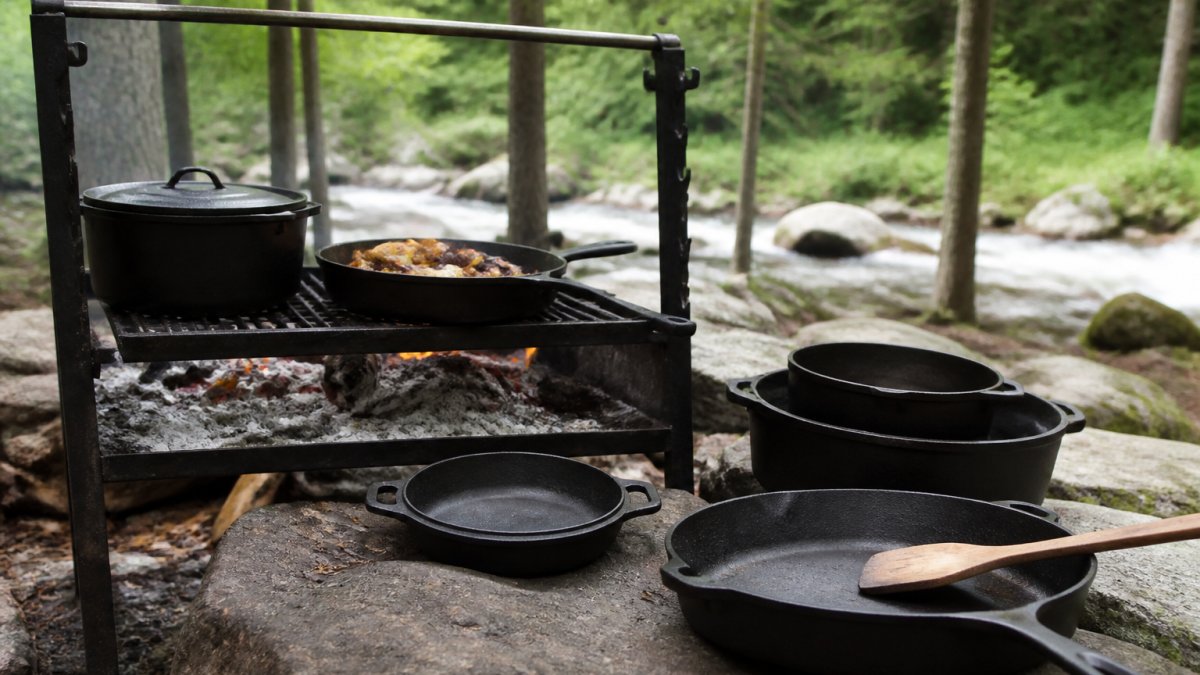
- Cast Iron Cookware for Campfire Cooking: Performance Comparison
- Cast Iron Skillet Care and Seasoning: Lodge vs Carolina Cooker
- Pricing, Warranty, and Long-Term Value
- Frequently Asked Questions
Last Updated: October 10, 2026
Lodge vs Carolina Cooker: Quick Comparison
When outdoor enthusiasts and home cooks compare cast iron skillets, the decision between Lodge and Carolina Cooker often comes down to construction quality, heat performance, and long-term value. Both brands deliver durable cookware built for serious cooking, but they differ in thickness, surface finish, and how they handle extreme heat. This comparison examines the key differences so you can choose the right skillet for your cooking style and budget.
The real question isn't which brand is "better", it's which one fits your specific needs and cooking preferences.
| Feature | Lodge | Carolina Cooker | Best For |
|---|---|---|---|
| Construction | Machine-smoothed finish | Rough, textured surface | Lodge for non-stick; Carolina Cooker for seasoning |
| Thickness | Standard cast iron | Extra-heavy construction | Carolina Cooker for heat retention |
| Pre-seasoning | Factory seasoned | Minimal seasoning | Lodge ready to cook; Carolina Cooker requires initial seasoning |
| Heat Distribution | Good, even heating | Excellent heat retention | Carolina Cooker for longer cooking sessions |
| Price Range | $30-$60 CAD | $40-$75 CAD | Lodge for budget-conscious buyers |
| Warranty | Limited lifetime | Limited warranty | Lodge offers slightly better coverage |
| Best Use Case | Everyday cooking, searing | Heavy-duty campfire, large groups | Carolina Cooker for serious outdoor cooks |
Cast Iron Construction: What Sets Them Apart
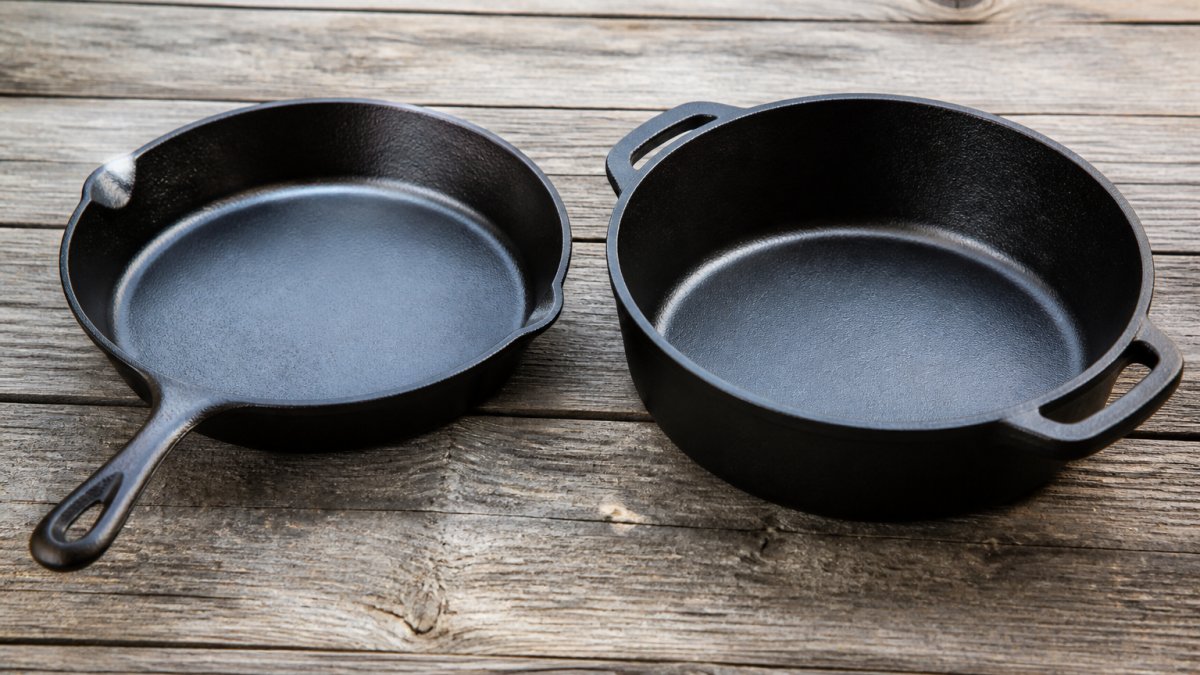
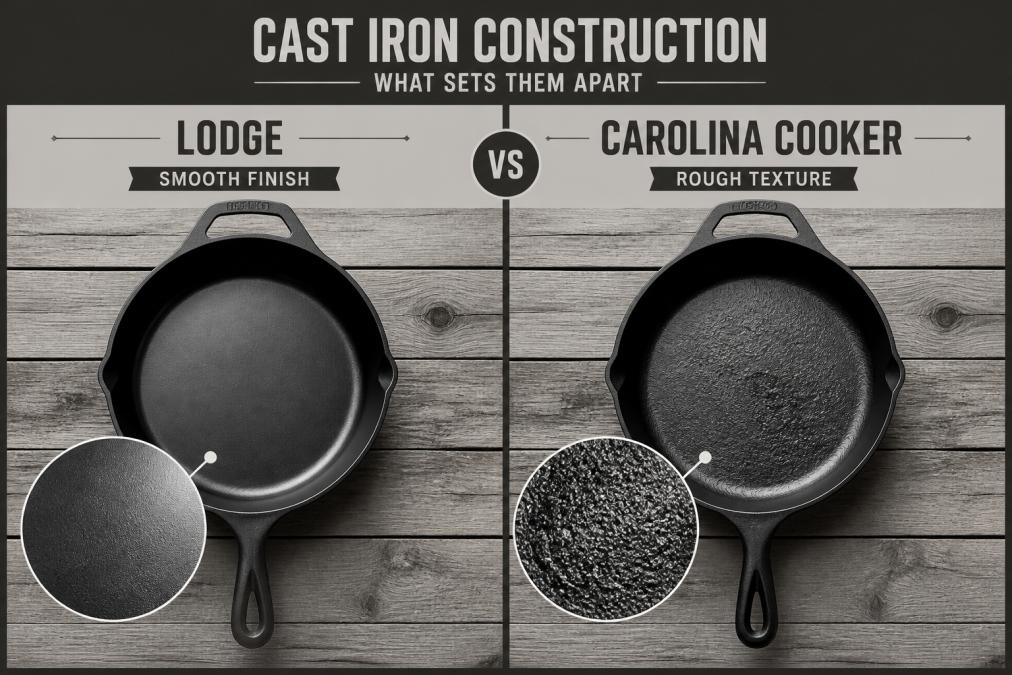
The fundamental difference between Lodge and Carolina Cooker lies in how each brand approaches cast iron manufacturing. Lodge uses a machine-smoothed cooking surface that's been refined over generations, while Carolina Cooker emphasizes a rougher, more textured finish that builds seasoning differently.
Thickness and Weight
Lodge skillets typically weigh between 2.5 to 3 kg for a 10-inch skillet, offering solid construction without excessive bulk. Carolina Cooker skillets run heavier, often 3.2 to 3.8 kg for the same size, because the brand prioritizes extra-thick walls for superior heat retention.
This weight difference matters practically. Heavier skillets hold heat longer after you pull them off the fire, which means your food continues cooking evenly even after the pan leaves direct flame. For campfire cooking where temperature control is unpredictable, that thermal mass becomes an advantage. But for everyday stovetop use or when you're packing gear into a vehicle, Lodge's slightly lighter construction feels more manageable.
Carolina Cooker's extra heft also means the skillet takes longer to heat initially. You're not fighting the fire, you're waiting for the iron itself to reach temperature. That patience pays off with remarkably consistent cooking across the entire surface.
Surface Texture and Flatness
Lodge's machine-smoothed surface is closer to a modern non-stick finish. Food releases more easily on a well-seasoned Lodge skillet, and the cooking surface feels polished under your hand. This finish came about because Lodge modernized their production decades ago, and it remains their signature approach.

Carolina Cooker deliberately maintains a rougher, almost bumpy surface texture. This isn't a manufacturing shortcut, it's intentional. The textured surface provides more area for seasoning to grip and build layers over time. Many experienced cast iron users prefer this approach because it rewards proper maintenance with an exceptionally durable, non-stick patina that improves with every use.
Flatness matters for searing. Both brands produce skillets that sit flat on modern stovetops. Lodge maintains tighter tolerances, so you'll rarely encounter a rocking skillet. Carolina Cooker skillets are generally flat as well, though occasional variations occur in hand-cast production.
Heat Retention and Distribution in Cast Iron Skillets
Cast iron's primary advantage over steel or aluminum is its ability to absorb and hold heat. Both Lodge and Carolina Cooker excel here, but in different ways.
Lodge skillets heat relatively quickly and distribute heat evenly across the cooking surface. The machine-smoothed finish means fewer hot spots, and the standard thickness handles typical home cooking without issue. For everyday use, breakfast eggs, weeknight dinners, searing steaks on a home grill, Lodge delivers consistent results.
Carolina Cooker skillets take longer to heat but retain temperature with remarkable stability. The extra thickness acts like a thermal battery. Once hot, a Carolina Cooker skillet maintains temperature even when cold food hits the surface. For large-scale cooking, feeding a group at a campfire, searing multiple steaks in succession, or slow-cooking stews over coals, that heat retention becomes invaluable.
The rough surface of a Carolina Cooker skillet also influences heat distribution. The texture creates micro-variations that actually help distribute heat more evenly across the cooking surface, reducing hot spots in ways that aren't immediately obvious but become apparent after several uses.
Carolina Cooker Cast Iron Skillet Review: Strengths and Weaknesses
Carolina Cooker skillets represent a philosophy: prioritize durability and heat performance over convenience. The brand doesn't heavily pre-season their cookware, which means you're buying raw potential rather than a finished product.
Strengths:
- Exceptional heat retention for extended cooking sessions
- Rough surface develops a superior seasoning layer over time
- Heavier construction withstands aggressive use and extreme heat
- Hand-cast approach means each skillet has character
- Excellent performance over open flames and coals
- Built for serious outdoor cooks and professional kitchens
Weaknesses:
- Requires more initial seasoning work before first use
- Heavier weight makes packing and transport less convenient
- Rough surface can feel abrasive until properly seasoned
- Less refined finish than Lodge's machine-smoothed approach
- Longer heat-up time on stovetops
- Minimal factory seasoning means learning curve for new users
Carolina Cooker skillets shine when you're committed to the cast iron lifestyle. They reward patience and proper maintenance with cooking performance that improves year after year. If you're a casual user or new to cast iron, the minimal pre-seasoning might frustrate you initially.
Lodge Skillet Sizes and Available Options
Lodge produces skillets in sizes ranging from 6 inches (perfect for melting butter or cooking a single egg) up to 15 inches (ideal for feeding a crowd). The most popular sizes are 10 and 12 inches, which handle everything from breakfast to dinner without being unwieldy.
Lodge's 10-inch skillet is the workhorse size. It fits comfortably on most stovetops, handles campfire cooking without tipping, and serves 4-6 people easily. The 12-inch option gives you more cooking surface without dramatically increasing weight or difficulty.
Smaller skillets (6 and 8 inches) excel for sides, single-portion meals, or when you're cooking over limited heat. Larger skillets (14 and 15 inches) work best for groups or when you're feeding multiple people simultaneously.
One advantage of Lodge's standardized production is consistency across sizes. A 10-inch Lodge skillet performs almost identically to another 10-inch Lodge skillet; the manufacturing process ensures reliability. This predictability appeals to cooks who value consistency.
10" Cauldron with Reversible Lid →
Cast Iron Cookware for Campfire Cooking: Performance Comparison
Campfire cooking demands cookware that handles direct flame, uneven heat, and the occasional ash or ember. Both Lodge and Carolina Cooker meet these demands, but they approach the challenge differently.
Lodge skillets work beautifully over campfire coals. The machine-smoothed surface won't stick to food, and the standard thickness handles the unpredictable temperature swings of open-fire cooking. Many campers prefer Lodge because it's ready to cook immediately, no extensive seasoning required before your trip.
The extra thickness means the skillet maintains temperature despite temperature fluctuations from wind, flame intensity, or how far the pan sits from coals. Over a full day of cooking for a group, Carolina Cooker's thermal mass becomes a genuine advantage.
For campfire cooking specifically, consider what you're preparing. Quick searing and breakfast items? Lodge handles that efficiently. Slow-cooked stews, braises, or all-day cooking? Carolina Cooker's heat retention becomes the deciding factor.
Cast Iron Skillet Care and Seasoning: Lodge vs Carolina Cooker
Both brands require the same basic maintenance: hand-washing, immediate drying, and light oiling after each use. The difference emerges in how quickly each skillet develops a superior seasoning layer.
Lodge skillets arrive pre-seasoned and ready to cook. The factory seasoning provides an immediate non-stick surface. With regular use and proper care, the seasoning improves steadily.
Carolina Cooker skillets arrive with minimal seasoning, requiring more work upfront. You'll season the skillet before first use, then continue building layers with every cook. The rough surface grips seasoning more aggressively, which means the non-stick patina develops faster and becomes more durable.
The key maintenance principle applies equally to both: never use soap, dry immediately on heat, and apply a thin coat of neutral oil after washing. Dishwashers strip seasoning in one cycle, so hand-washing is non-negotiable for both brands.
For campfire use, the maintenance difference is negligible. Both skillets handle the same care routine. The choice comes down to whether you prefer a skillet ready to cook immediately (Lodge) or one that rewards patient seasoning development (Carolina Cooker).
Pricing, Warranty, and Long-Term Value
Lodge skillets typically cost between $30-$60 CAD for standard sizes, depending on the specific model and size. Carolina Cooker skillets run $40-$75 CAD for comparable sizes. The price difference reflects Carolina Cooker's heavier construction and hand-cast approach.
Both brands offer limited lifetime warranties covering manufacturing defects. The real value proposition isn't the warranty, it's the durability. Cast iron skillets last decades or generations with proper care.
Consider the cost-per-use. A $50 skillet used 200 times per year for 20 years costs roughly $0.01 per use. At that scale, the initial purchase price becomes almost irrelevant. The real question is which skillet you'll actually reach for and enjoy using.
For budget-conscious buyers, Lodge offers excellent value. You get a proven product, immediate usability, and solid performance at a reasonable price. For serious outdoor cooks and those committed to cast iron, Carolina Cooker's extra cost translates to better heat retention and a seasoning surface that improves with time.
At Browns Outpost, we recognize that serious outdoor cooks need cookware that performs consistently over open flame. Our cast iron collection, including the 10" Shallow Skillet at $32.99 CAD and the 12" Dutch Oven at $52.99 CAD, delivers the durability and heat performance you need for campfire cooking.

The choice between Lodge and Carolina Cooker ultimately depends on your cooking style. Choose Lodge if you want proven reliability, immediate usability, and excellent everyday performance.
Whether you're planning weekend campfire meals or serious backcountry cooking, the right cast iron skillet makes the difference between adequate results and exceptional ones. Start with our 10" Shallow Skillet for versatile everyday use, or upgrade to the 12" Dutch Oven for group cooking and slow-cooked meals over coals.
Frequently Asked Questions
What is the difference between Lodge and Carolina Cooker cast iron?
Lodge and Carolina Cooker differ primarily in construction methods and surface finish. Lodge uses a smoother, machined cooking surface with consistent flatness, while Carolina Cooker typically features a rougher, traditional cast texture. Both are pre-seasoned and durable. Carolina Cooker skillets may require more initial seasoning to develop optimal non-stick properties. For campfire cooking, both perform well.
Are Lodge and Carolina Cooker skillets pre-seasoned?
Yes, both Lodge and Carolina Cooker cast iron skillets arrive pre-seasoned and ready to cook on. However, the factory seasoning is just a starting point. Both brands recommend additional seasoning after your first few uses to build a stronger, more durable non-stick layer. The pre-seasoning allows you to use the skillet immediately without the multi-week seasoning process older cast iron required. Proper maintenance, hand-washing, drying immediately, and oiling after each use, strengthens the seasoning over time.
Which is better for campfire cooking, Lodge or Carolina Cooker?
Both handle campfire cooking well, but they excel in different scenarios. Carolina Cooker's rougher surface may grip food slightly better initially, while Lodge's flatter, smoother finish is easier to clean in remote conditions. For one-pot meals and stews, both perform equally.
How do you clean and season cast iron skillet care and seasoning properly?
Clean both Lodge and Carolina Cooker skillets by hand with hot water only, no soap, which strips seasoning. Dry immediately on heat (stovetop or coals) to prevent rust spots. While still warm, apply a thin coat of neutral oil (vegetable, canola, or grapeseed work well) and wipe away excess with a cloth. Never use the dishwasher. Store in a dry place. Over time, this routine builds layers of seasoning. If rust appears, scrub with salt and oil, then re-season. Proper maintenance keeps both brands performing for decades.
Is Lodge cast iron worth the price compared to Carolina Cooker?
Lodge typically costs more. Carolina Cooker offers better value if you prioritize budget and don't mind the rougher texture or slightly more seasoning effort. Both come with solid warranties and last a lifetime with proper care. Your choice depends on intended use: Lodge for precision cooking, Carolina Cooker for budget-conscious outdoor enthusiasts.