 comparison
Is Expensive Camping Cookware Worth It
Table of Contents
- The Real Cost of Cheap Camping Cookware
- Cast Iron Camping Cookware: Why Heavy-Duty Costs More
- Lightweight Backpacking Cookware vs. Durable Gear
- Camping Cookware Titanium vs Stainless Steel: Material Trade-offs
- Best Camping Cookware Sets for Long-Term Value
- Lifetime Warranty and Total Cost of Ownership
- The Verdict: When Premium Camping Cookware Pays Off
- Frequently Asked Questions
Last Updated: October 15, 2026
The Real Cost of Cheap Camping Cookware
When you're shopping for camping cookware, the temptation to grab the cheapest option is real. A budget set costs $20-30 and promises to do everything. But here's what most people discover on their second or third trip: cheap cookware fails when it matters most.
Thin aluminum pans warp over direct flame. Non-stick coatings flake into your food. Handles crack from thermal shock. What seemed like a bargain becomes garbage after one season of actual use.
The question isn't whether expensive camping cookware is worth it. The question is whether you're willing to replace your gear every year, or invest once and keep it for decades.
This guide from Browns Outpost breaks down the real math behind cookware costs. Spending more upfront can save you money in the long run.
Cast Iron Camping Cookware: Why Heavy-Duty Costs More
Cast iron costs more than aluminum because it's built to last. The difference isn't just price, it's material science.
Cast iron distributes heat evenly across thick walls. This means no hot spots, no scorching, and consistent cooking results whether you're searing meat or simmering stew. Aluminum heats fast but cools fast, creating temperature swings that ruin food and waste fuel.
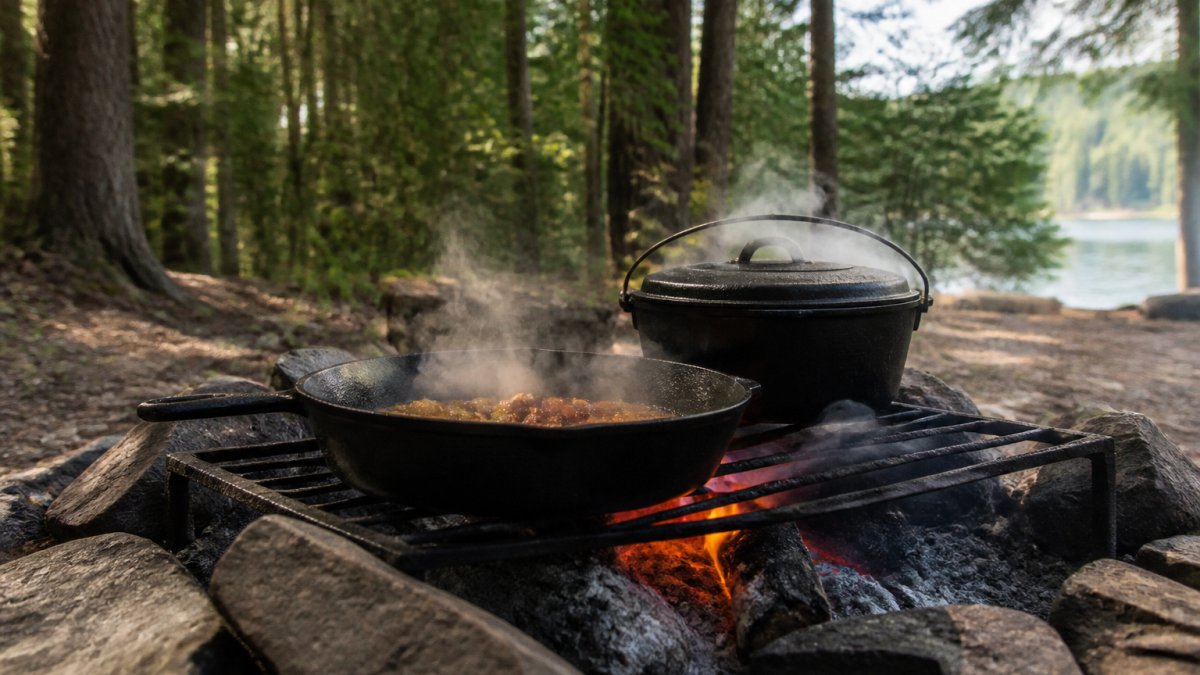
The durability difference compounds over time. Cast iron improves with use, the seasoning layer gets better, non-stick properties increase, and the pan becomes more reliable. Cheap cookware degrades. Coatings peel. Handles loosen. Seams separate.
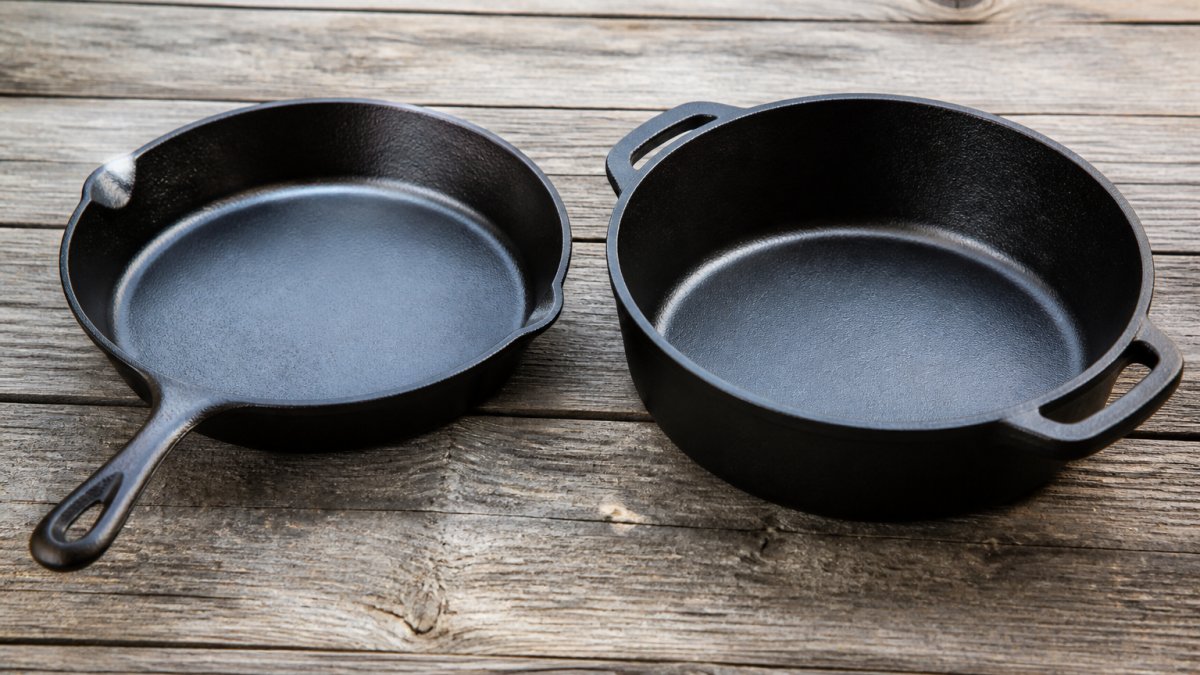
Browns Outpost cast iron comes with a lifetime warranty because we've built it to outlast the person using it. Our 12-inch Dutch Oven ($52.99) handles group meals and slow-cooked dishes that cheap cookware simply cannot manage. The 10-inch Cauldron with Reversible Lid ($45.99) doubles as both pot and griddle, two tools in one, which is why premium cookware actually reduces the weight and space you pack.
Add in replacement costs, and cheap gear becomes expensive gear.
Lightweight Backpacking Cookware vs. Durable Gear
Backpackers face a genuine tradeoff: weight versus durability. Titanium and ultralight aluminum are genuinely lighter. But they sacrifice the cooking performance that makes meals taste good after a long day on the trail.
The mistake most backpackers make is thinking lightweight means fragile. It doesn't. It means engineered for efficiency.
Our 8-inch Dutch Oven with Lid ($45.99) weighs less than the 12-inch version but delivers the same heat retention and durability. It's built for minimalist trips where every ounce counts, but it refuses to compromise on slow-cooked results. The smaller footprint fits backcountry packs. The cast iron still handles direct flame, coals, and abuse.
The 3-Piece Fry Pan Set ($47.99) solves the "which size do I pack" problem. Three nested cast iron skillets (10-inch, 8-inch, and 6-inch) stack together taking barely more room than one pan. You stop guessing what size you need and start cooking the right meal every time. Solo cooking, group meals, sides, one set covers it all.
Real backpackers know that lightweight gear that fails at the critical moment isn't lightweight at all. You're carrying dead weight. Premium cookware that performs is lighter in practice than cheap gear that forces you to pack backup options.
Camping Cookware Titanium vs Stainless Steel: Material Trade-offs
But cost and value are different things, and the material you choose determines how the cookware behaves on every trip for the next decade.
Start with thermal conductivity, because it drives both cooking results and fuel use. Cast iron has low thermal conductivity but very high volumetric heat capacity, so it heats slowly and then holds that heat for a long time.
That difference shows up in fuel. A pan that loses heat when food goes in forces you to run the stove harder or feed the fire longer. A pan with real thermal mass recovers faster and lets you cook at a lower, steadier output.
Durability and failure modes differ just as much. Cast iron fails only through neglect: rust from leaving it wet, or a cracked wall from a hard drop onto rock. Stainless steel dents rather than cracks, and a dented stainless pot still cooks.
Maintenance is the other half of the trade-off. Cast iron needs hand-washing, thorough drying, and a light oil coat after each use; skip that and rust appears within days. Stainless steel is dishwasher-safe and forgiving. Titanium needs almost nothing.
Safety and coating trade-offs deserve a direct answer. Uncoated cast iron, stainless steel, and titanium have no coating to flake into food, so their main safety concern is simply keeping them clean and dry. Nonstick coatings degrade when overheated or scraped, and once they peel the pan should be retired rather than used with exposed substrate.
| Material | Best For | Heat Retention | Maintenance | Typical Lifespan | Cost |
|---|---|---|---|---|---|
| Cast Iron | Car camping, group cooking, slow meals | Excellent | Hand-wash, dry, re-oil after use | 20+ years | $30-50 per piece |
| Stainless Steel | Versatile camp and home use | Good | Dishwasher-safe | 10-15 years | |
| Titanium | Ultralight backpacking | Fair | Minimal | 5-10 years | |
| Cheap Aluminum | Budget camping | Poor | Minimal | 1-2 seasons |
For car camping and group trips, cast iron is the clear choice. For minimalist backpacking where weight is critical and you're cooking simple meals, titanium makes sense. For everything in between, cast iron delivers better results at a lower lifetime cost.
Best Camping Cookware Sets for Long-Term Value
The best cookware set is the one you'll actually use and keep using. That means it needs to handle real conditions without failing, cook food well enough that you enjoy eating, and last long enough to justify the investment.
Browns Outpost builds sets that do exactly that. Our 3-Piece Fry Pan Set ($47.99) includes 10-inch, 8-inch, and 6-inch skillets that nest together. You're not overpacking. You're not underpacking. You're cooking every meal with the right tool.
The 10-inch Shallow Skillet ($32.99) is the workhorse. Shallow walls mean maximum searing surface and faster heating than a deep dutch oven. It's the pan you reach for every morning for eggs, bacon, and coffee. It's also the pan that earns a permanent spot in your camp box because it's light enough to pack and tough enough to abuse.
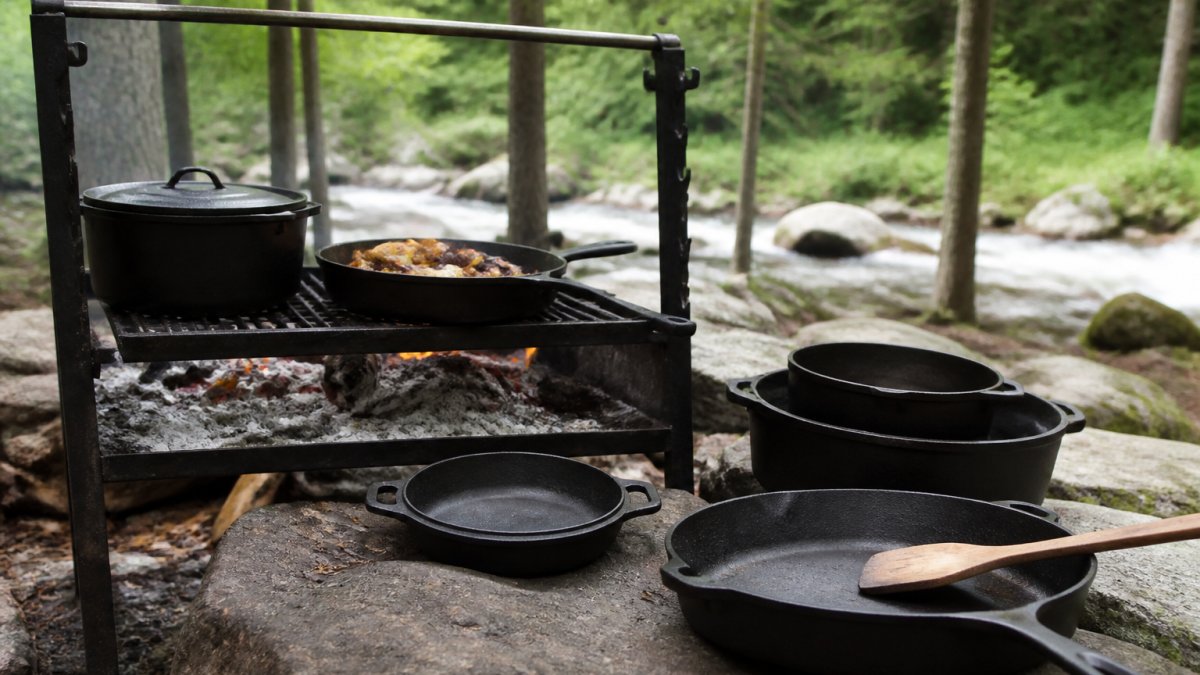
What separates a good set from a great one is versatility. Our cookware works over open flame, on coals, on a grill grate, and on home stovetops. You're not buying camping-only gear. You're buying gear that earns its spot in your kitchen year-round.
Real long-term value means the cookware improves over time. Cast iron seasoning builds with use. Non-stick properties increase. The pan becomes more reliable, not less. Compare that to cheap cookware that degrades, coatings peel, handles loosen, seams separate, and the math becomes obvious.
Lifetime Warranty and Total Cost of Ownership
Here's what most people miss about warranties: they're only as good as the company backing them. Before you pay a premium for a warranty, read what it actually covers: defects in materials and workmanship are standard, but wear from normal use, coating degradation, and cosmetic damage usually are not.
Total cost of ownership is where the premium-versus-budget question actually gets answered, and it has four parts: purchase price, replacement cost, maintenance time, and fuel use.
Purchase price. A budget aluminum set runs roughly $20-30 for several pieces. A single quality cast iron piece runs $30-50, and a full premium set costs more than the budget set by a factor of two or three.
Replacement cost. This is the part budget buyers underestimate. Thin aluminum warps over direct flame, nonstick coatings flake once scratched or overheated, and handles crack from thermal shock. When one piece fails, you either replace the whole set or hunt for a matching piece that may no longer be sold.
Maintenance time. Cast iron asks for hand-washing, thorough drying, and a light oil coat after each use. That is a few minutes per meal. Stainless steel and titanium ask for almost nothing. If you value your time at anything, factor that in honestly rather than pretending maintenance is free.
Fuel use. A pan with real thermal mass holds heat and recovers faster after cold food goes in, so you run the stove or fire at a lower, steadier output. A thin pan dumps heat the moment ingredients hit it, forcing you to burn more fuel to compensate.
Put those four parts together and the break-even point becomes visible. A budget set that lasts two seasons and then needs replacing costs you the purchase price every two years, plus the fuel penalty, plus the hassle of shopping again.
This is why the warranty matters less than the material. Cast iron does not wear out, it just gets better seasoned. Hand-crafted raw carbon steel handles direct flame, thermal shock, and abuse that would destroy cheaper alternatives. The warranty is a backstop, not the reason the cookware lasts.
The Verdict: When Premium Camping Cookware Pays Off
Expensive camping cookware is worth it if you camp regularly. If you're going out once a year for a weekend, cheap gear might survive. If you're cooking over fire multiple times per month, premium cookware pays for itself in reliability alone.
The economics are straightforward. Premium cast iron costs 2-3 times more upfront but lasts 10-20 times longer. It cooks better, uses less fuel, and improves with age. Cheap cookware fails, forces replacements, and wastes money every season.
Browns Outpost cookware is built on this principle: hand-crafted raw carbon steel, lifetime warranty, and professional culinary results for outdoor enthusiasts. Our 12-inch Dutch Oven ($52.99) handles braising, stewing, and camp-oven baking for groups. Our 8-inch Dutch Oven ($45.99) serves minimalist trips without compromise. Our 3-Piece Fry Pan Set ($47.99) eliminates guessing about which size to pack.
Every piece comes with free shipping over $75 CAD and a warranty that covers the life of the product because we've built it to last a lifetime.
The question isn't whether you can afford premium cookware. The question is whether you can afford to keep replacing cheap cookware every season. Once you do the math, the choice becomes obvious.
Frequently Asked Questions
Does expensive camping cookware last longer than budget cookware?
Yes. Premium cast iron camping cookware like Browns Outpost's offerings is built thicker and heavier, distributing heat evenly and resisting warping. Budget cookware often develops hot spots and coating failures within 2-3 seasons. Cast iron actually improves with age and proper seasoning, making it a multi-generational investment. Budget alternatives typically need replacement every few years, offsetting their lower initial cost.
Is cast iron camping cookware worth the weight for backpacking trips?
For car camping and group trips, yes. Cast iron holds heat longer and performs better over open flame than lightweight alternatives. For ultralight backpacking, it depends on your cooking style. The 8-inch Dutch Oven ($45.99) or 10-inch Shallow Skillet ($32.99) are packable options that still deliver durability. If you're hiking miles with a full pack daily, titanium or stainless steel are options. For weekend trips or base camps, cast iron's superior performance justifies the extra weight.
What features should you look for in a best camping cookware set?
Look for consistent heat distribution, durability in open flame, and versatility across cooking methods. The 3-Piece Fry Pan Set ($47.99) covers multiple meal sizes without excess weight. Check for flanged lids (like the Dutch ovens) that hold coals for bread baking. Reversible lids add extra functionality. A lifetime warranty signals manufacturer confidence. Cast iron requires hand-washing and seasoning maintenance, but that's the trade-off for durability that outlasts cheaper non-stick coatings.
Which is better for camping: titanium, stainless steel, or cast iron?
Each material serves different needs. Titanium is lightest. Stainless steel is durable. Cast iron heats fast, distributes evenly, improves with age. For open-fire cooking, cast iron outperforms both. For minimalist backpacking, titanium wins on weight. For car camping and group trips, cast iron's heat retention and durability make it the best value, especially with a lifetime warranty backing it.
Stop replacing your camping cookware every season. Get started with Browns Outpost cast iron and cook like a professional over any fire for the next 20 years.