 ultimate-guide
What Is a Lifetime Warranty: A Complete Guide
Table of Contents
- What Is a Lifetime Warranty
- Limited Lifetime Warranty Meaning and What It Actually Covers
- Product Lifetime vs. Owner Lifetime: What Changes Hands
- Consumer Protection Act Warranty Rights and Legal Obligations
- How to File a Warranty Claim for Your Outdoor Cookware
- Common Myths About Lifetime Warranties
- Pros and Cons of Lifetime Warranties for Outdoor Cooking Gear
- Conclusion
Last Updated: August 27, 2026
What Is a Lifetime Warranty
Alifetime warranty is a manufacturer's guarantee to repair or replace a product for as long as the original owner uses it, at no cost. It's not a guarantee the product will last forever, but a promise that if a manufacturing defect or workmanship failure occurs during ordinary use, the company will stand behind it.
"Lifetime" typically means the lifetime of the original owner, not the product itself. Once you sell or transfer the item, the warranty often ends. Lifetime warranties almost never cover normal wear and tear, accidental damage, misuse, or maintenance issues, they protect specifically against manufacturing defects and workmanship problems.
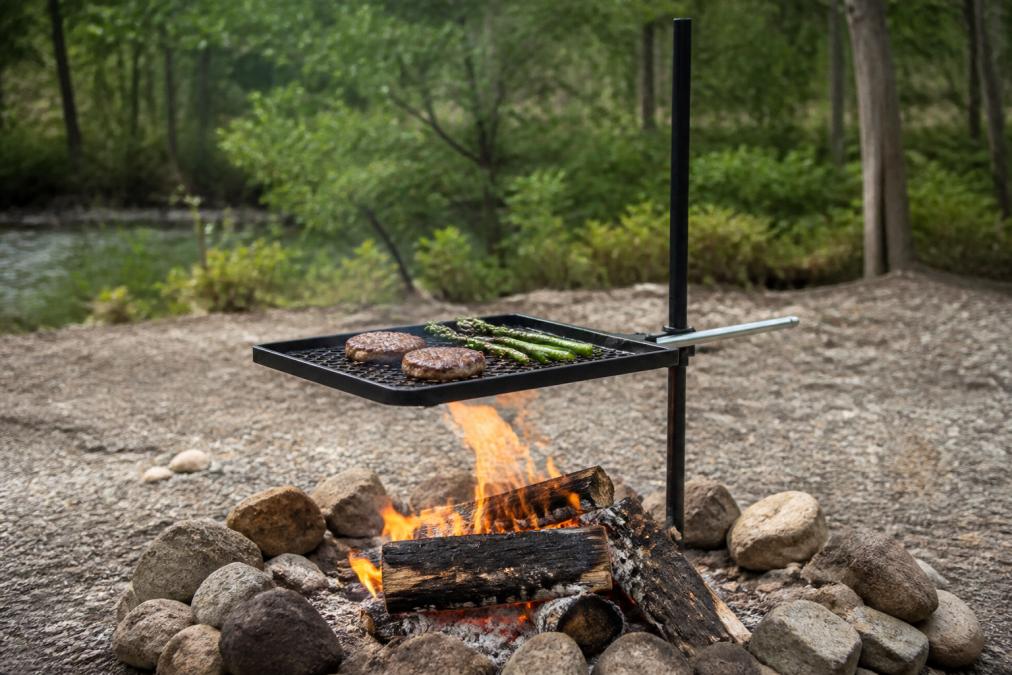
At Browns Outpost, we back our ANVIL adjustable campfire grill with a lifetime warranty because we're confident in the quality of our hand-crafted raw carbon steel construction. When you invest in heavy-duty outdoor cooking gear, you want assurance that it will perform reliably for years of use.

How lifetime warranties differ from standard warranties
Standard warranties last a fixed period, one, two, or five years. After that window closes, you're on your own. A lifetime warranty has no expiration date tied to time; instead, it's tied to ownership.
A standard warranty creates a clear deadline. A lifetime warranty creates ambiguity, which is why manufacturers load them with exclusions and conditions. They need to define what "lifetime coverage" actually means in practical terms.
Here's the key distinction: a lifetime warranty is not automatically "better" than a limited warranty. A well-designed five-year warranty that covers nearly everything is often more valuable than a lifetime warranty that excludes half of what could go wrong. The real question isn't how long the warranty lasts, but what it actually covers.
Limited Lifetime Warranty Meaning and What It Actually Covers
Alimited lifetime warranty is the most common type of lifetime warranty. It guarantees coverage for the original owner's lifetime, but with significant restrictions on what qualifies as a covered defect.
The word "limited" signals upfront that this warranty has boundaries. You're not getting unlimited replacement or repair, you're getting coverage for specific, defined failures under specific, defined conditions.
Most limited lifetime warranties cover manufacturing defects and defects in workmanship. If a grill grate cracks due to a flaw in how it was cast or welded, that's covered. If the adjustable mechanism fails because the metal was improperly treated during manufacturing, that's covered. But if you drop the grill, leave it exposed to the elements for years without maintenance, or use it in an unintended way, you're outside the warranty's scope.
Manufacturing defects versus wear and tear
A manufacturing defect is a flaw that existed when the product left the factory, weak metal, improper welds, or inadequate heat treatment. Wear and tear is the natural degradation from repeated use: rust forming on carbon steel after years of exposure, or a grill grate warping from thousands of heating and cooling cycles.
The problem is that wear and tear and manufacturing defects can look identical. A grate that cracks after five years might have cracked because of a manufacturing flaw or because the metal fatigued under repeated stress. Without forensic analysis, you can't always tell.
This is why manufacturers include exclusion clauses. They're trying to draw a legal line where the physical reality is blurry. Filing a warranty claim can be frustrating because the company must investigate whether your issue qualifies as a covered defect or falls into the wear-and-tear category they've excluded.
Exclusions and what is not covered
Every limited lifetime warranty has a list of exclusions. Read this section carefully, because it defines the boundaries of your actual protection.
Common exclusions include: normal wear and tear (rust, discoloration, minor surface damage), damage from accidents or misuse, improper maintenance or storage, corrosion beyond normal surface aging, environmental exposure (salt water, extreme weather, UV damage), labor costs for repairs, damage from unauthorized repairs, and cosmetic damage that doesn't affect function.
For outdoor cooking gear, exclusions often cover rust. Carbon steel and cast iron rust if exposed to moisture without proper maintenance. Most warranties treat rust as a maintenance issue, not a manufacturing defect. You're expected to season, dry, and store the gear properly.
The exclusion clauses define the real terms of your warranty. A lifetime warranty that excludes rust, corrosion, and normal wear on outdoor cooking equipment covers a much narrower set of problems than it first appears.
Product Lifetime vs. Owner Lifetime: What Changes Hands
A lifetime warranty is almost never transferable. When you buy a grill with a lifetime warranty, the warranty is tied to you, the original owner. If you sell the grill, the warranty typically ends. The new owner gets the product, but not the warranty protection.
The reasoning is straightforward: manufacturers are making a bet about how long you'll own the product and how you'll treat it. If the grill changes hands multiple times with different users, the risk profile changes entirely. So they limit the warranty to the original owner.
Some manufacturers offer transferable warranties, but it's rare and usually comes with additional terms like product registration or proof of purchase. Even then, the new owner might get a limited version of the warranty.
This distinction matters when evaluating a product's long-term value. If you plan to keep a grill for 20 years, a lifetime warranty is genuinely valuable. If you think you might sell it in five years, the warranty's value diminishes significantly because the next owner won't be covered.
At Browns Outpost, we stand behind the durability of our ANVIL grill because we know that the original owner, the person who invested in quality, will benefit most from that commitment. The heavy-duty carbon steel construction is built to last, and the lifetime warranty backs that promise.
Consumer Protection Act Warranty Rights and Legal Obligations
In Canada, consumer protection laws establish baseline warranty rights that apply regardless of what a manufacturer's warranty document says (justice.gc.ca).
The federal Competition Act and provincial consumer protection legislation require that products be of merchantable quality and fit for their intended purpose (justice.gc.ca). This is an implicit warranty that exists whether a manufacturer explicitly states it or not. If you buy a grill and it fails catastrophically within a reasonable timeframe due to defects in materials or workmanship, you have legal recourse even if the manufacturer tries to disclaim all warranties.
Additionally, provincial consumer protection acts typically stipulate that warranty disclaimers cannot eliminate consumer rights. A manufacturer cannot claim they're not responsible for anything. The law sets a floor of protection that contractual terms cannot go below.
A manufacturer's warranty is actually a supplement to your legal rights, not a replacement for them. The warranty might be limited, but your legal protection as a consumer is broader.
How to File a Warranty Claim for Your Outdoor Cookware
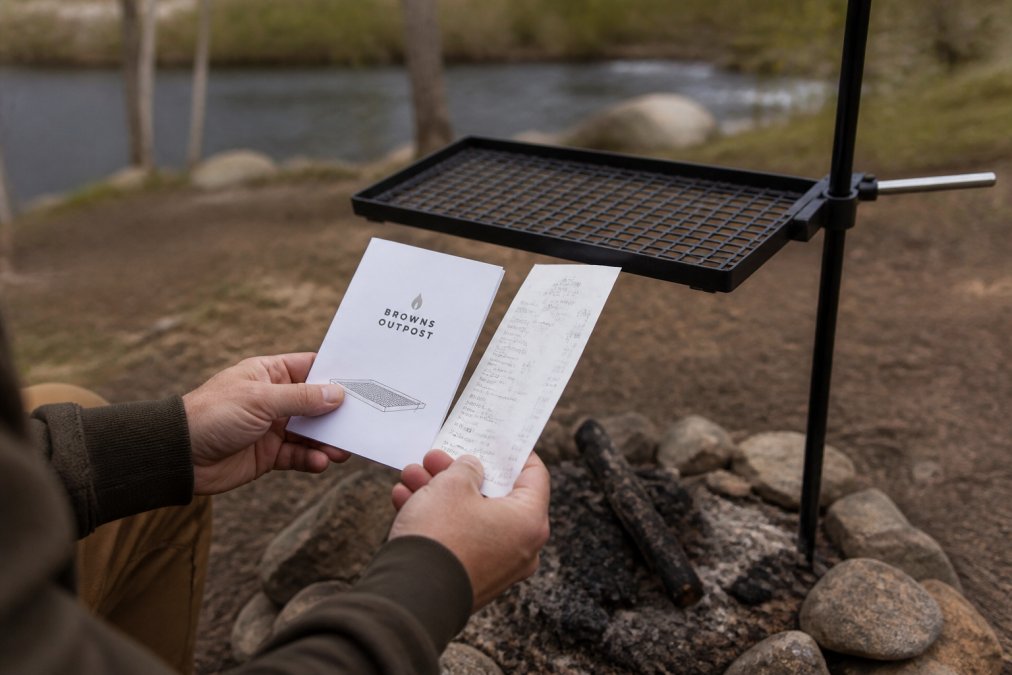
Most manufacturers require you to initiate contact through their website or customer service line. You'll describe the problem, and they'll ask for proof that you own the product and that the issue qualifies as a covered defect.
The proof of purchase burden and what you need
You need proof that you bought the product. If you bought the grill years ago, that documentation might be gone. If you received it as a gift, you might not have a receipt at all.
Manufacturers typically require one of these: original receipt or invoice, order confirmation email, credit card statement showing the purchase, or proof of registration.
The burden is on you to provide this proof. The manufacturer won't look it up. Keep your receipts for warranted products. If you register the product with the manufacturer immediately after purchase, that registration becomes your proof of ownership if the original receipt disappears.
Shipping costs and logistics
Most limited lifetime warranties cover the cost of repair or replacement, but not the cost of shipping. You pay to send the grill to the manufacturer. The manufacturer repairs or replaces it. You pay to have it shipped back.
For a large, heavy grill, shipping costs can be substantial, $75-150 one way, depending on location and distance (statcan.gc.ca). Some manufacturers cover return shipping if the claim is approved; others require you to pay for both directions.
There's also the logistics question: what happens while your grill is in transit or being repaired? If you're in the middle of camping season and your grill fails, you're without it for weeks. The warranty covers the repair, but not the inconvenience.
Common Myths About Lifetime Warranties
Myth 1: A lifetime warranty means the product will last your entire lifetime. False. A lifetime warranty is a promise about what the manufacturer will do if something goes wrong, not a guarantee that nothing will go wrong.
Myth 2: A lifetime warranty covers everything. False. Most lifetime warranties are limited and cover manufacturing defects and workmanship problems, but not wear and tear, misuse, or environmental damage.
Myth 3: A lifetime warranty is transferable to the next owner. False. In the vast majority of cases, a lifetime warranty ends when you sell the product.
Myth 4: If a manufacturer offers a lifetime warranty, they must honor every claim. False. Manufacturers can deny warranty claims if they determine the issue falls outside the warranty's scope.
Myth 5: A lifetime warranty is better than a five-year warranty. Not necessarily. A well-designed five-year warranty that covers nearly everything might provide more actual protection than a lifetime warranty that excludes half of what could go wrong.
Pros and Cons of Lifetime Warranties for Outdoor Cooking Gear
Pros:
A lifetime warranty signals manufacturer confidence. A company backing a product for the original owner's lifetime is making a statement about quality and durability. This confidence can be reassuring when making a significant purchase.
Lifetime warranties provide peace of mind. If something goes wrong five years from now, you know you're covered (assuming it's a covered defect). You don't have to worry about the warranty expiring. This is particularly valuable for outdoor cooking gear, where rust and corrosion are real risks.
For heavy-duty, professional-grade equipment, a lifetime warranty reflects the intended use case. If you're buying a grill specifically for intensive use over years, a lifetime warranty aligns with your expectations.
Cons:
A lifetime warranty is only as good as the manufacturer's willingness to honor it. If a company goes out of business or stops supporting older products, your warranty becomes worthless.
Lifetime warranties often exclude the most common failure modes in outdoor cooking. Rust is the enemy of carbon steel and cast iron. Most lifetime warranties explicitly exclude rust damage.
The logistics of warranty claims can be prohibitively expensive and time-consuming. Shipping a large grill across the country and waiting weeks for assessment and repair means you're without your gear for an extended period.
Lifetime warranties are not transferable, which limits their value if you ever want to sell the product.
The warranty's actual scope is often narrower than people assume. Wear and tear, environmental damage, and maintenance issues are typically excluded.
A lifetime warranty is a valuable commitment when you understand what it actually covers. For outdoor cooking gear like the ANVIL grill from Browns Outpost, the lifetime warranty reflects a commitment to quality construction and durability. Our hand-crafted raw carbon steel is built to withstand years of heavy use, and the warranty backs that promise for the original owner. The warranty covers manufacturing defects and workmanship failures, ensuring that if something goes wrong due to how the grill was made, we'll make it right. That peace of mind, combined with the adjustable design that gives you total control over every cook, is why serious outdoor cooks choose gear backed by a lifetime guarantee. Get started with Browns Outpost and invest in cookware that's built to last a lifetime.
Frequently Asked Questions
Q: What does a lifetime warranty actually mean?
A: A lifetime warranty means the manufacturer will repair or replace defective parts for the life of the product, typically covering manufacturing defects and workmanship issues. However, 'lifetime' usually refers to the original owner's lifetime or the product's expected lifespan, not an indefinite guarantee. Most lifetime warranties exclude wear and tear, misuse, and normal degradation. Always check the terms and conditions, as limitations vary by manufacturer and product type.
Q: What is the difference between a limited lifetime warranty and a full lifetime warranty?
A: A limited lifetime warranty covers specific defects like manufacturing flaws or workmanship failures, but excludes wear and tear, accidental damage, and improper maintenance. A full lifetime warranty covers broader issues but is rare in practice. Most outdoor cookware, including heavy-duty carbon steel grills, comes with limited lifetime warranties that protect against defective parts while excluding normal usage degradation. Review exclusion clauses carefully before purchase.
Q: Does a lifetime warranty cover normal wear and tear?
A: No. Lifetime warranties typically exclude normal wear and tear, which includes rust from weather exposure, surface discoloration, and gradual degradation from regular use. They cover manufacturing defects, workmanship failures, and structural defects in materials. Proper maintenance and care are your responsibility. For outdoor gear like campfire grills, this means regular cleaning and appropriate storage during off-season months.
Q: How do I file a warranty claim if my outdoor grill fails?
A: To file a claim, contact the manufacturer's customer service with your proof of purchase and details of the defect. You'll need your original receipt or invoice showing the purchase date. Document the issue with photos if possible. Be prepared for shipping costs, many manufacturers require you to cover return shipping. Processing times vary; expect 2-4 weeks for assessment and repair or replacement.
This article was written using GrandRanker