 comparison
Carolina Cooker vs Premium Alternatives: 2026 Guide
Table of Contents
- Carolina Cooker vs Premium Alternatives: What Sets Them Apart
- Is an Adjustable Campfire Grill Worth It?
- Heavy Duty Carbon Steel Cookware Benefits for Open-Fire Cooking
- Cast Iron vs Carbon Steel for Open Fire: Which Performs Better
- Key Criteria for Selecting Premium Cookware
- Performance Testing: Heat Retention and Cooking Results
- Durability and Long-Term Value
- Conclusion: Making Your Choice
Last Updated: August 29, 2026
Carolina Cooker vs Premium Alternatives: What Sets Them Apart
When shopping for an adjustable campfire grill or heavy-duty cookware for open-fire cooking, the choice between Carolina Cooker and premium alternatives comes down to what you're actually paying for. The carolina cooker vs premium alternatives comparison reveals significant differences in adjustability, durability, and long-term value that become apparent only after extended use in real conditions.
Most outdoor enthusiasts assume all adjustable grills work the same way. They don't. The gap between entry-level options and hand-crafted carbon steel equipment isn't just about build quality, it's about how the grill performs under actual fire, how it handles temperature swings in wet conditions, and whether it'll still be reliable a decade from now. This guide breaks down what separates Carolina Cooker from premium alternatives like the ANVIL adjustable campfire grill.

Is an Adjustable Campfire Grill Worth It?
An adjustable campfire grill is worth the investment if you cook over open fire more than twice a year. The ability to raise or lower your cooking surface gives you control over heat intensity, something fixed-height grills cannot offer. Low position sears steaks and burgers with direct, intense heat. High position lets heat diffuse for smoking ribs or slow-cooking larger cuts. One grill, multiple techniques.
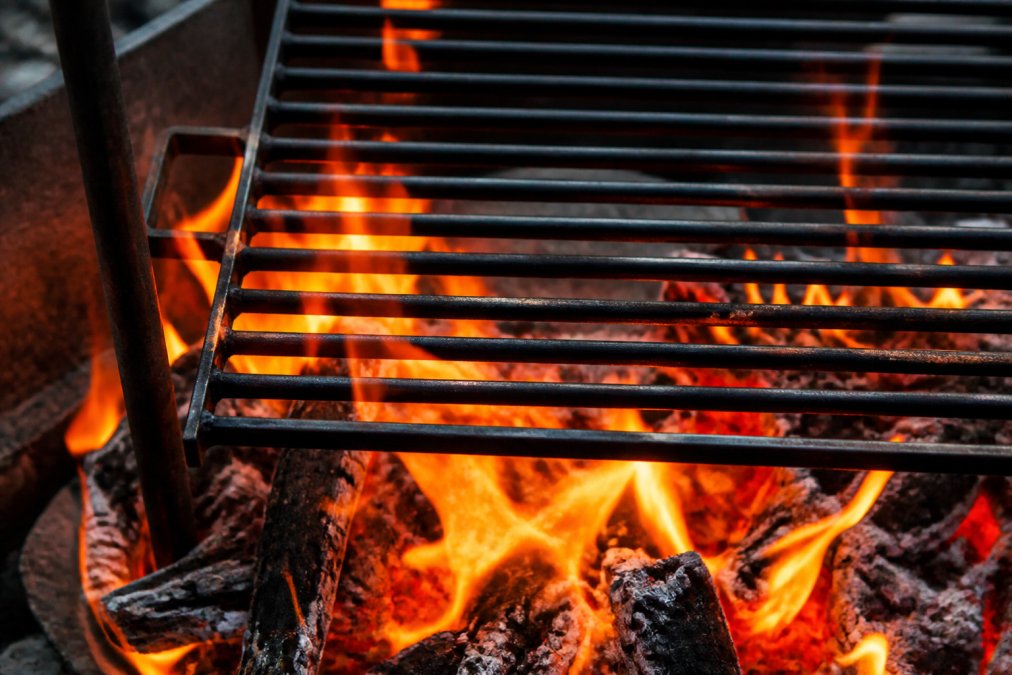
Adjustability only matters if the mechanism is reliable. A grill with a wobbly stake or sliding grate becomes a liability. The ANVIL adjustable campfire grill uses heavy carbon steel with a locking grate system that holds position even with uneven ground or shifting coals. Budget adjustable grills often use thinner steel and less precise locking mechanisms that become stiff or develop play after repeated heating cycles.
Heavy Duty Carbon Steel Cookware Benefits for Open-Fire Cooking
Heavy-duty carbon steel cookware outperforms lighter alternatives in open-fire cooking because thermal mass directly impacts heat retention and distribution. Carbon steel holds heat like cast iron but with faster heat-up times and better responsiveness to temperature changes. A 10-pound carbon steel skillet spreads heat more evenly than a 5-pound one, reducing hot spots and producing more predictable cooking results (peer-reviewed research).
Carbon steel offers corrosion resistance that raw cast iron lacks, especially critical in wet camping conditions. A well-seasoned carbon steel surface develops a patina that resists rust better than unsealed iron. It recovers faster from moisture exposure if dried properly after use.
Hand-crafted cookware matters. Mass-produced pieces often use sand casting, which creates surface porosity that traps moisture and accelerates rust. Premium hand-cast pieces are finished to tighter tolerances, meaning fewer microscopic pits where water can hide. After seasoning, a well-finished surface becomes genuinely non-stick without synthetic coating.
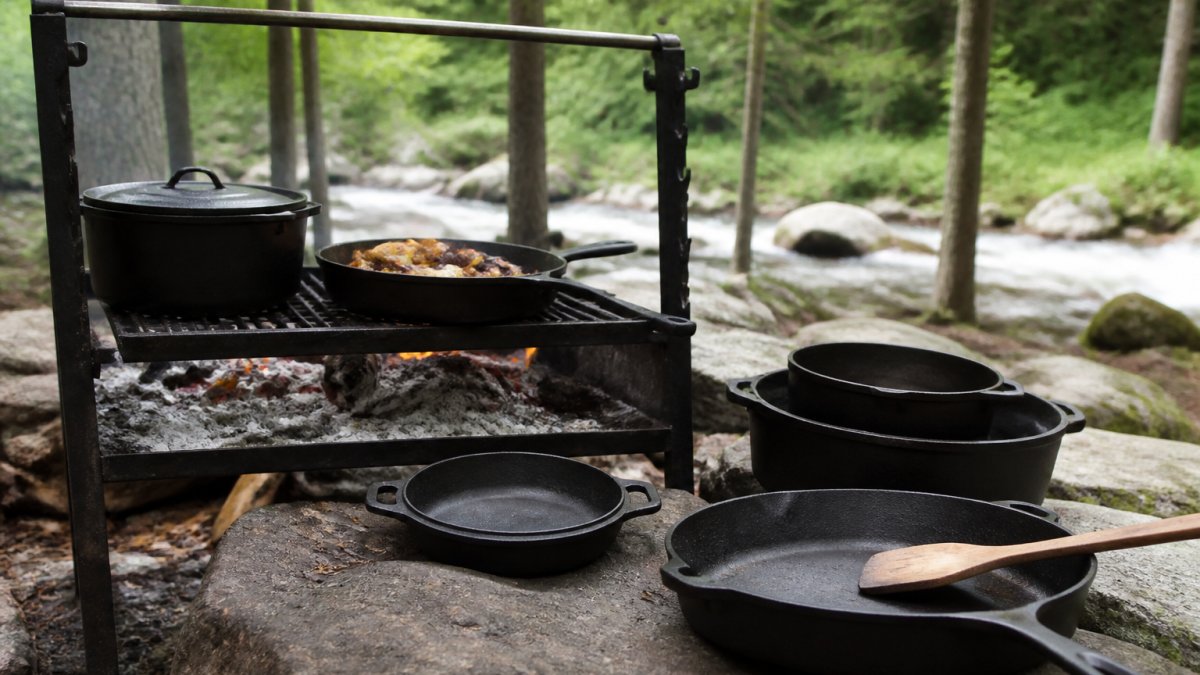
Browns Outpost cookware uses raw carbon steel with a hand-finished surface and pre-seasoning ready to cook on immediately. That combination of heavy construction, tight surface finish, and proper seasoning creates cookware that performs over open flame with minimal maintenance.
Cast Iron vs Carbon Steel for Open Fire: Which Performs Better
Cast iron and carbon steel have similar thermal properties. Cast iron typically contains slightly more carbon, making it harder but more brittle (astm.org). Carbon steel contains less carbon and is more flexible, making it less prone to cracking under thermal shock.
For open-fire cooking, carbon steel has the edge. A cast iron pot dropped on rocks or exposed to sudden cold rain after heating is more likely to develop stress fractures. Carbon steel flexes slightly under those conditions, absorbing shock without breaking. That resilience matters in backcountry conditions.
Heat retention is essentially identical between the two when cast to similar weight. A 12-pound cast iron Dutch oven and a 12-pound carbon steel Dutch oven retain heat almost equally well. Carbon steel heats up slightly faster and cools slightly faster, giving you more control over cooking temperature when adjusting position over the fire.

Carbon steel's corrosion resistance means it forgives occasional neglect better than cast iron. If you forget to oil a cast iron piece after a wet camping trip, rust can develop within days. Carbon steel develops surface oxidation more slowly, giving you a longer window to re-season.
For hunters and wilderness campers, carbon steel is the practical choice. It's tougher, more forgiving, and performs identically in the kitchen.
Key Criteria for Selecting Premium Cookware
When evaluating premium cookware for open-fire cooking, focus on four concrete criteria: casting quality, surface finish, weight distribution, and warranty coverage.
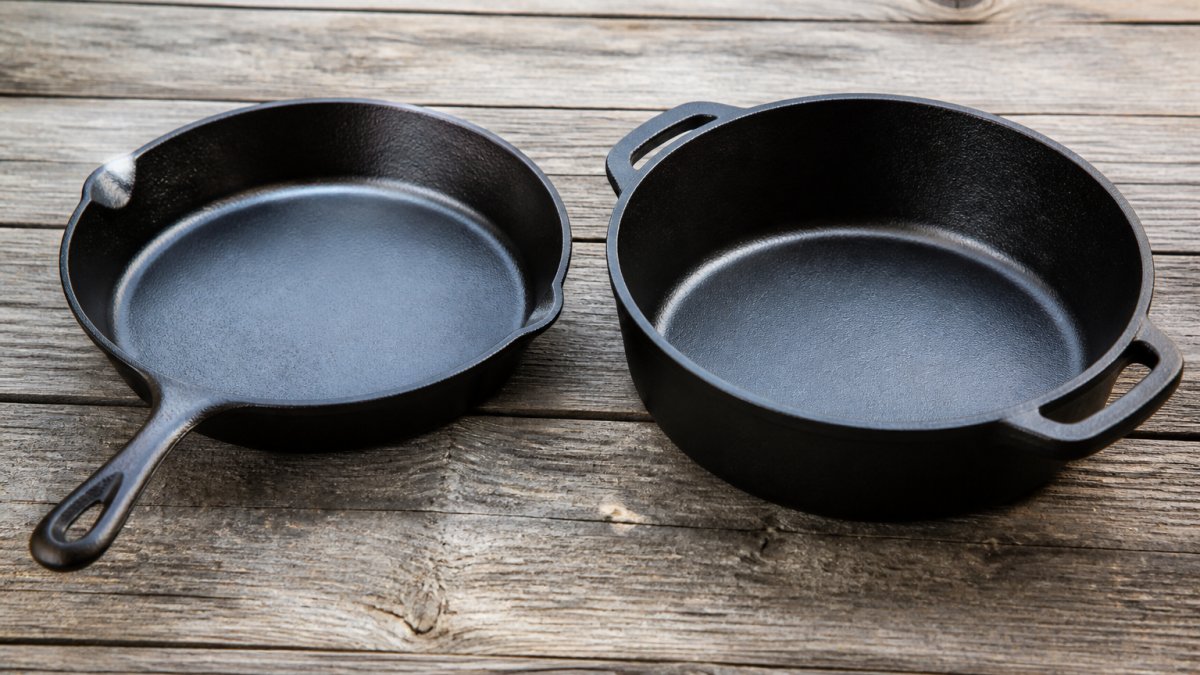
Casting quality shows up in the surface finish. Premium pieces feel smooth, almost polished. Budget cookware often has visible casting marks and rough texture that traps food and makes seasoning uneven. A smooth surface seasons faster and cooks more predictably.
Surface finish refers to how the casting is processed after molding. Hand-finished surfaces are machined or ground to remove porosity and create uniform texture. Premium cookware invests in finishing because it directly impacts performance and longevity.
Weight distribution matters for balance and heat retention. A well-designed skillet feels balanced in your hand. Heavy, balanced cookware is more stable over an open fire.
Warranty coverage reveals manufacturer confidence. A lifetime warranty covering manufacturing defects is standard for premium cookware. Read the fine print, some warranties exclude the exact problems that develop with heavy use.
| Criteria | Budget Cookware | Premium Cookware | Why It Matters |
|---|---|---|---|
| Surface Finish | Rough, visible casting marks | Smooth, hand-finished | Smoother surface seasons better and cooks more evenly |
| Weight | 4-6 lbs for 10" skillet | 8-10 lbs for 10" skillet | Heavier cookware retains heat better and resists warping |
| Casting Quality | Sand cast with porosity | Hand-cast, machined finish | Tight finish resists rust and seasoning lasts longer |
| Warranty | Limited 1-2 years | Lifetime against defects | Reflects manufacturer confidence and covers long-term use |
| Pre-seasoning | Minimal or none | Factory-seasoned, ready to cook | Saves time and ensures proper initial seasoning |
The ANVIL adjustable campfire grill and Browns Outpost cookware excel across all four criteria. The grate is heavy carbon steel with a hand-finished surface smooth enough to season evenly. The stake mechanism is engineered for precise locking and reliable adjustment. The lifetime warranty covers manufacturing defects.
Performance Testing: Heat Retention and Cooking Results
Heat retention is measurable. Quality cast iron or carbon steel maintains temperature longer than lighter cookware, producing consistent cooking results with less adjustment needed. A heavy skillet keeps temperature stable when searing a thick steak, while a light pan's temperature drops noticeably with each new item added (peer-reviewed research).
The ANVIL grill's adjustable height directly impacts heat retention. Lowering the grate closer to coals lets the heavy grate absorb and distribute heat efficiently. Moving it higher reduces direct heat intensity while maintaining even temperature. Budget adjustable grills with thinner grates don't offer this control.
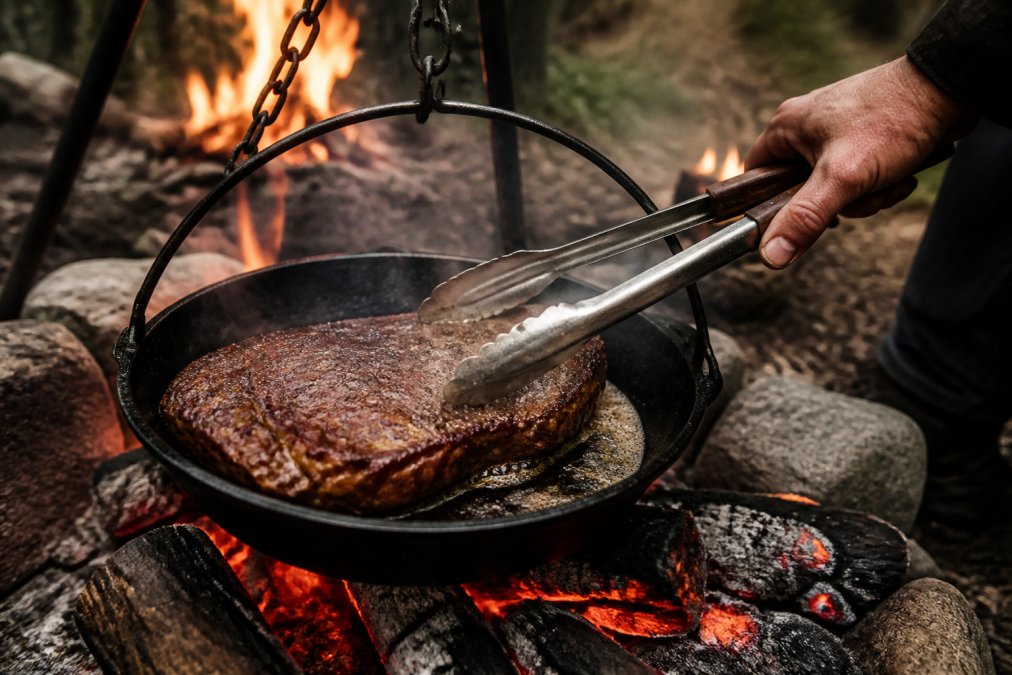
A thick steak on premium cookware develops a proper crust through the Maillard reaction because surface temperature stays high throughout cooking. The same steak on budget cookware often comes out with a pale crust and uneven cooking.
Bread baking in a Dutch oven is another revealing test. A 12-inch Dutch oven with thick walls and heavy lid creates an enclosed steam environment for proper crust. Budget Dutch ovens with thinner walls don't maintain temperature as well, resulting in uneven baking.
Real-world testing shows premium cookware maintains seasoning longer and requires less frequent re-seasoning. Budget cookware's rougher surface loses seasoning faster because the coating sits on porosity rather than filling it.
Durability and Long-Term Value
Durability is where premium cookware separates itself from budget alternatives. A piece lasting 20 years costs less per year than one requiring replacement every 5 years, even at higher upfront cost. The ANVIL grill at $174.99 CAD and Browns Outpost cookware ranging from $32.99 to $52.99 CAD are investments in equipment that will outlive most outdoor gear.
The lifetime warranty covers manufacturing defects, casting flaws, stress cracks, or locking mechanism failures for the life of the product. Budget grills rarely offer anything beyond a 1-2 year warranty because the manufacturer knows problems will develop within that timeframe.
Heavy carbon steel cookware actually improves with age. Each use adds seasoning layers that build non-stick properties and corrosion resistance. A 10-year-old piece of premium cookware often performs better than a new budget piece. Budget cookware develops rust spots or loses seasoning faster because the surface finish deteriorates.
The ANVIL grill's adjustable mechanism is engineered for repeated use. The stake locks securely, and the grate slides smoothly even after hundreds of adjustments. Budget adjustable grills develop stiffness or play after a few seasons because tolerances are loose.
Free shipping over $75 CAD from Browns Outpost affects long-term value. Building a complete cookware system qualifies for free shipping immediately, reducing total system cost.
Real customer feedback reinforces durability claims. Dan D., who uses the ANVIL grill regularly for hunting trips, reports that it's "super versatile and easily holds an entire rear quarter from a deer." That's heavy-duty field cooking, and the grill performs reliably under those conditions.
Conclusion: Making Your Choice
The carolina cooker vs premium alternatives decision hinges on how seriously you take outdoor cooking and how long you want your gear to last. If you cook over fire once or twice a year, a budget option might suffice. If you're a regular outdoor cook, hunting trips, camping weekends, backyard bonfire dinners, premium cookware pays for itself in reliability and performance.
The ANVIL adjustable campfire grill from Browns Outpost delivers professional culinary results for open-fire cooking with hand-crafted raw carbon steel construction and a lifetime warranty. The adjustable design gives precise heat control, the heavy grate ensures even cooking, and the engineering means the mechanism will work smoothly after a decade of use. At $174.99 CAD with free shipping over $75, it's a single investment that eliminates the need to buy multiple grills.
Pair the ANVIL with Browns Outpost cookware, the 12-inch Dutch oven ($52.99), 10-inch cauldron with reversible lid ($45.99), or 3-piece fry pan set ($47.99), and you have a complete system handling everything from searing to slow-cooking to baking. Each piece is backed by a lifetime warranty and built to last through years of serious outdoor cooking.
Frequently Asked Questions
Is Carolina Cooker cast iron good for heavy-duty outdoor use?
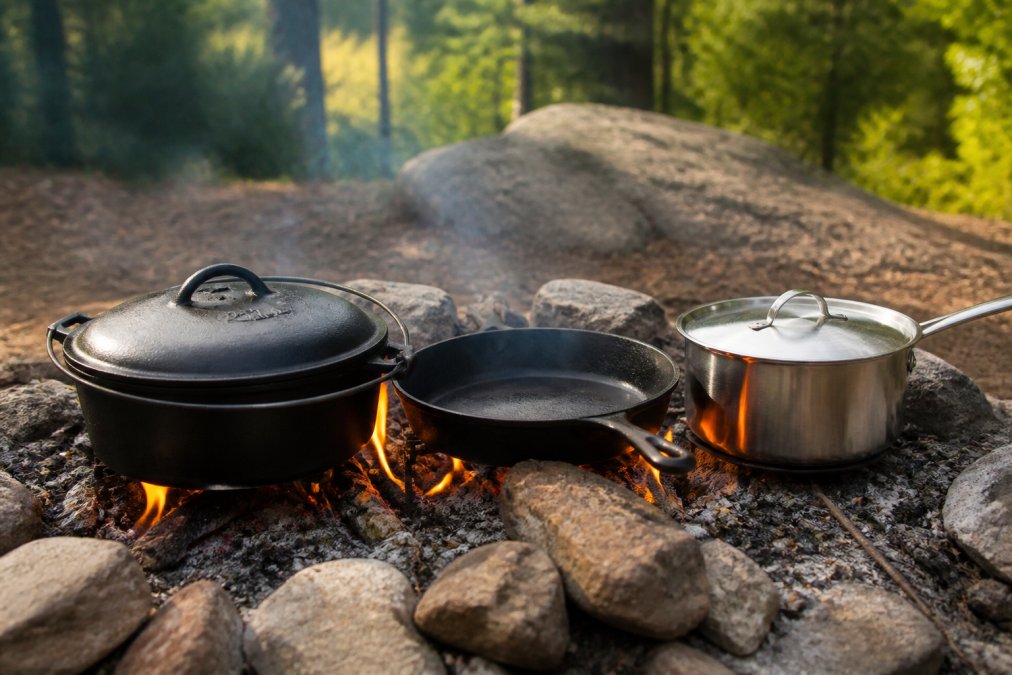
Carolina Cooker cast iron performs well for standard outdoor cooking, but dedicated outdoor-grade cookware with hand-crafted carbon steel construction and adjustable designs offers better heat control and durability in extreme conditions. For serious campfire cooking where you need precise temperature management and long-term reliability, premium alternatives with lifetime warranties and heavier gauge materials provide superior performance and peace of mind.
What makes an adjustable campfire grill worth the investment?
An adjustable campfire grill gives you control over heat exposure that fixed-height grills cannot match. You can sear steaks at low heights with direct flame contact, then raise the grate for slow-cooking and smoking. This single tool replaces multiple grills and adapts to any fire size or cooking style. The ability to dial in exact temperatures across one cooking season alone saves money and frustration compared to replacing standard grills.
What are the main benefits of heavy duty carbon steel cookware?
Heavy duty carbon steel develops a natural non-stick patina over time, heats faster than thick cast iron, and resists rust better in damp conditions. Carbon steel grates handle direct flame contact without warping and distribute heat evenly across the cooking surface. The material's lighter weight compared to cast iron makes it packable for remote camping, while maintaining the durability needed for years of open-fire abuse.
Which is better for open-fire cooking: cast iron or carbon steel?
Cast iron excels at heat retention and is forgiving for beginners, but carbon steel offers faster heat-up times and better corrosion resistance in wet camping conditions. For adjustable grills and direct-flame applications, carbon steel is superior because it won't warp under intense heat. Cast iron works better for dutch ovens and skillets where you want steady, prolonged heat. The best choice depends on your specific cooking method and environment.
How do I know if premium cookware is worth the higher cost?
Premium cookware with lifetime warranties and hand-crafted construction typically lasts 20+ years with proper care, while budget options may need replacement every 3-5 seasons. Calculate the cost per use over a decade. If you camp or cook outdoors regularly, premium gear pays for itself through reliability and fewer replacements. Look for thick gauge materials, adjustable features, and corrosion-resistant finishes to ensure long-term value.
Get started with Browns Outpost cookware and the ANVIL grill. Your next camping trip, hunting expedition, or backyard gathering will benefit from equipment engineered for real fire cooking.
This article was written using GrandRanker