 comparison
Heavy-Duty Cooking Alternatives to Agawa
Table of Contents
- Why Heavy-Duty Cooking Gear Matters for Open-Fire Cooking
- The ANVIL Adjustable Campfire Grill: Control and Durability Over Fire
- Heavy-Duty Cast Iron Cookware for Camp Kitchen Versatility
- Bushcraft Cooking Gear: Portability Meets Performance
- Comparison Table: Heavy-Duty Cooking Options
- Weight-to-Utility Ratio: What Actually Matters in the Field
- Material Durability and Maintenance in Wet Conditions
- Conclusion: Building Your Heavy-Duty Camp Kitchen
Last Updated: August 30, 2026
Why Heavy-Duty Cooking Gear Matters for Open-Fire Cooking
Open-fire cooking demands equipment built to withstand direct flame, extreme heat, and the unpredictable conditions of remote camping or backyard wilderness cooking. An agawacanyoninc alternative for heavy duty cooking isn't just about finding a replacement, it's about understanding what separates gear that performs from gear that fails when you need it most.
Most campers and outdoor cooks discover this the hard way. They show up with lightweight aluminum or thin steel cookware, watch it warp under direct heat, and spend the rest of the trip working around equipment that no longer sits flat. Heavy-duty cooking alternatives solve this problem by prioritizing durability, thermal mass, and real performance over portability.
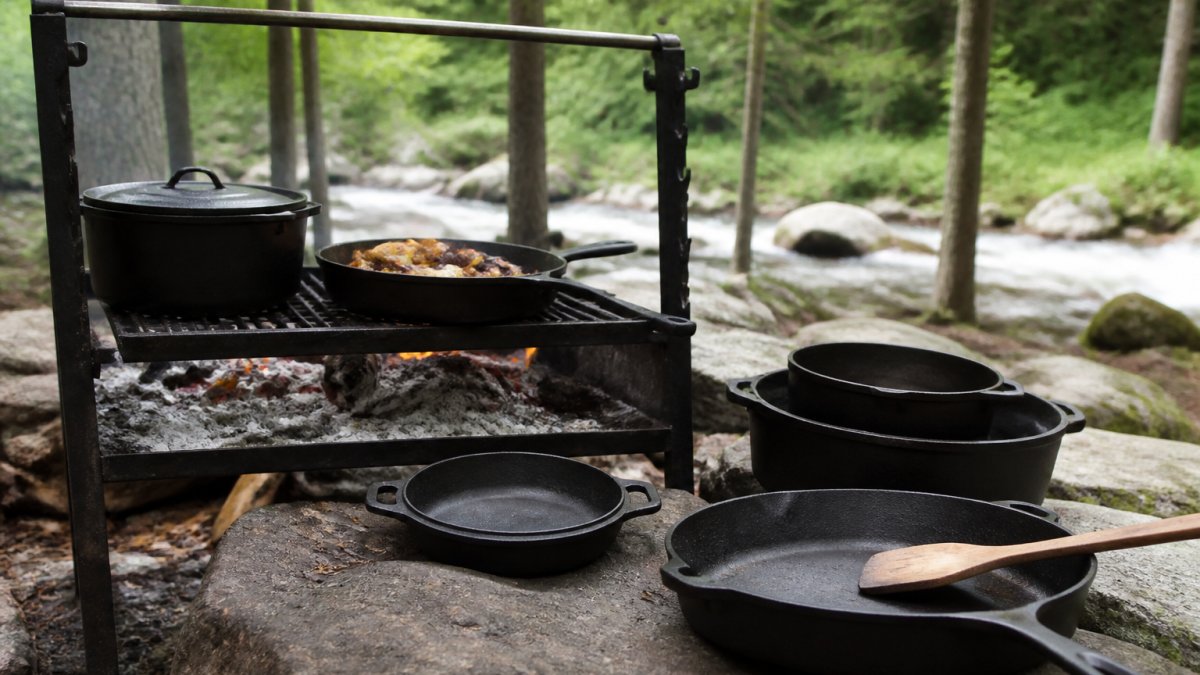
At Browns Outpost, we've built our reputation on heavy-duty cast iron cookware and the ANVIL adjustable campfire grill, gear designed specifically for the demands of open-fire cooking. The difference between casual backyard grilling and serious bushcraft cooking comes down to one thing: equipment that's engineered to handle sustained, direct flame contact without degrading.

The alternatives we cover below share one critical characteristic: they're built to last. Whether you're searing steaks low and hot or slow-smoking ribs over coals, the right gear transforms what's possible at the fire ring.
The ANVIL Adjustable Campfire Grill: Control and Durability Over Fire
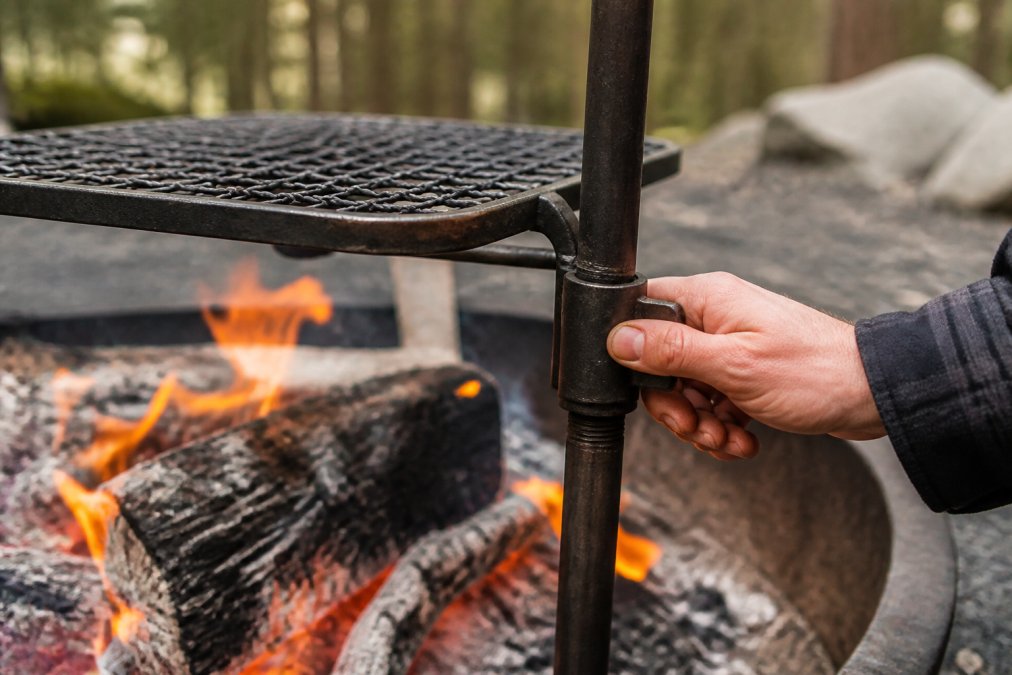
The ANVIL represents a fundamental shift in how adjustable campfire grills work. Unlike fixed-height grills that force you to work within one cooking zone, the ANVIL's adjustable stake system lets you dial in precise height control, lower for aggressive searing, higher for low-and-slow smoking or gentle warming. This single feature eliminates the most common frustration with open-fire cooking: heat that's either too intense or too weak.
Height Adjustment and Heat Control
The ANVIL's height adjustment mechanism works through a simple but effective design: the carbon steel grate slides along the main stake and locks at your chosen height. This means you're not guessing at heat exposure, you're controlling it. A ribeye that needs a hard sear at 5 centimetres above the coals becomes a slow-roasted piece of lamb at 15 centimetres. Same fire, same grill, completely different cooking environment.
Real fire cooking teaches you quickly that heat management separates edible from memorable. The ANVIL's adjustability addresses this directly. When you're cooking for a group and some items need different temperatures, steaks searing while vegetables slow-cook on the same grill, height adjustment becomes essential. You're not rotating pans or moving items in and out; you're managing one cooking surface with precision.
The grate stakes into the ground, which means setup takes minutes and works over any fire ring, campfire, or backyard bonfire. No permanent installation, no special equipment required. The ANVIL delivers this control at $174.99 CAD with free shipping over $75 CAD and a lifetime warranty backing every piece.
Carbon Steel Construction and Long-Term Wear
Carbon steel is the material choice for gear that lives over open flame. Unlike stainless steel, which can develop hot spots and doesn't conduct heat as efficiently, carbon steel distributes heat evenly across the cooking surface. More importantly, it handles direct flame contact year after year without warping, cracking, or losing structural integrity.
The ANVIL's heavy carbon steel grate is designed for this exact purpose. It doesn't require the obsessive maintenance of cast iron, no seasoning ritual, no fear of rust if you forget to oil it immediately after washing. A quick burn-off while still warm, a brush to clear debris, and light oiling between trips keeps it performing.
Long-term wear testing shows carbon steel grills maintain their performance characteristics indefinitely when properly maintained. The material doesn't degrade the way aluminum does under sustained heat, and it won't develop the brittleness that thin steel exhibits after repeated thermal cycling. This durability justifies the investment, the ANVIL isn't a seasonal tool you replace every few years, it's generational gear.
Heavy-Duty Cast Iron Cookware for Camp Kitchen Versatility
Cast iron cookware forms the foundation of serious camp kitchen setups. A single cast iron piece can handle searing, stewing, baking, and smoking, versatility that no single-purpose tool can match. The thermal mass of cast iron (the amount of heat it can absorb and hold) is what separates professional results from mediocre ones in open-fire cooking.

Why Cast Iron Outlasts Steel and Aluminum
Cast iron's durability comes from its material properties. The thick walls and dense structure mean it doesn't warp under direct flame, doesn't conduct heat unevenly, and won't develop stress fractures from thermal shock. Aluminum cookware warps. Thin steel pans develop hot spots. Cast iron just performs, year after year, fire after fire.
The seasoning layer on cast iron, the polymerized oil coating that builds up with use, actually improves over time. Every cook adds to that non-stick surface. Compare this to non-stick coatings on modern cookware, which degrade and flake off. Cast iron gets better with age and use.
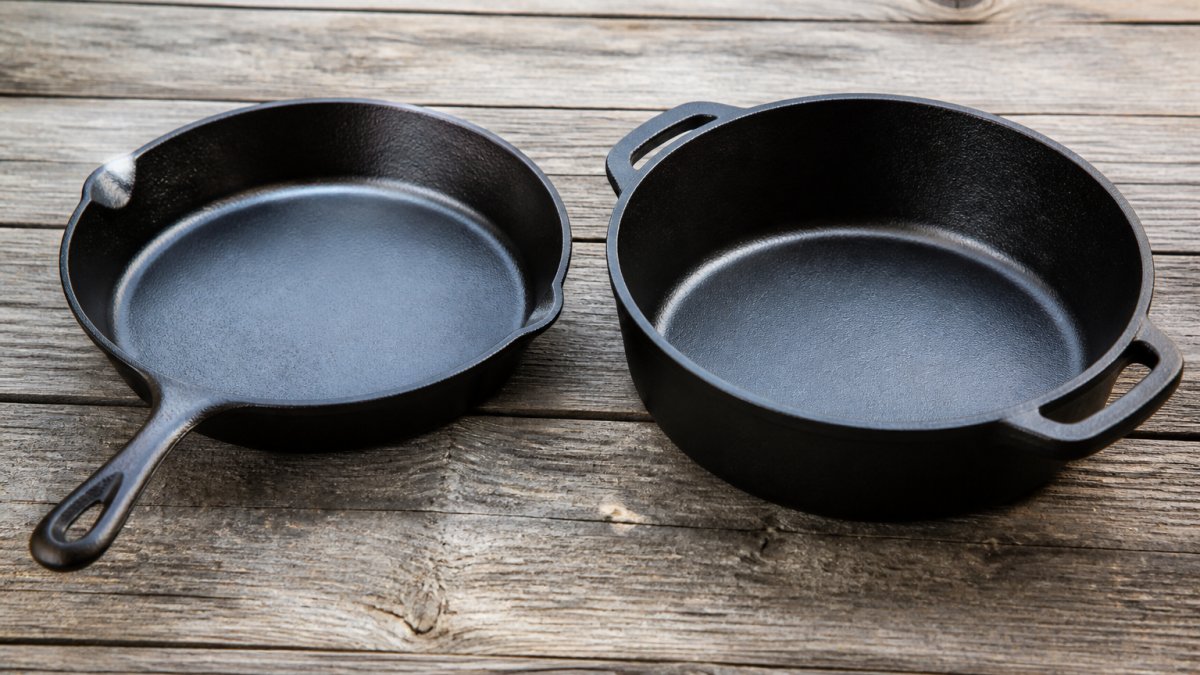
Browns Outpost's cast iron pieces are hand-cast and finished to heavy specifications. The 30-centimetre Dutch oven at $52.99 CAD, the 25-centimetre cauldron with reversible lid at $45.99 CAD, and the 30-centimetre roasting pan at $48.99 CAD are all built to the same standard: thick enough to hold heat like a furnace, durable enough to handle direct coal contact without concern.

Maintenance is straightforward. Hand-wash with hot water immediately after cooking, dry on heat so no water spots can rust the surface, and apply a light oil coat. That's it. No special treatments, no complicated procedures. Cast iron from decades ago still performs identically to new pieces because the material doesn't degrade.
Specific Cookware for Different Cooking Methods
The 30-centimetre Dutch oven excels at braising and slow-cooking. The flanged lid holds coals for camp-oven baking, bread, cobbler, and casseroles cook evenly under direct heat from above and below. This dual-heat environment is impossible to replicate with standard cookware. A shoulder of lamb braised in a Dutch oven over coals for four hours develops depth of flavor that quick-cooking methods can't achieve.
The 25-centimetre cauldron's reversible lid doubles as a griddle surface. This means you're carrying one piece that handles soup, stew, chili, or baking. Flip the lid and you've got extra cooking surface for proteins or bread. The deep belly of the cauldron holds liquid without spillage, essential when you're cooking over an unpredictable fire.
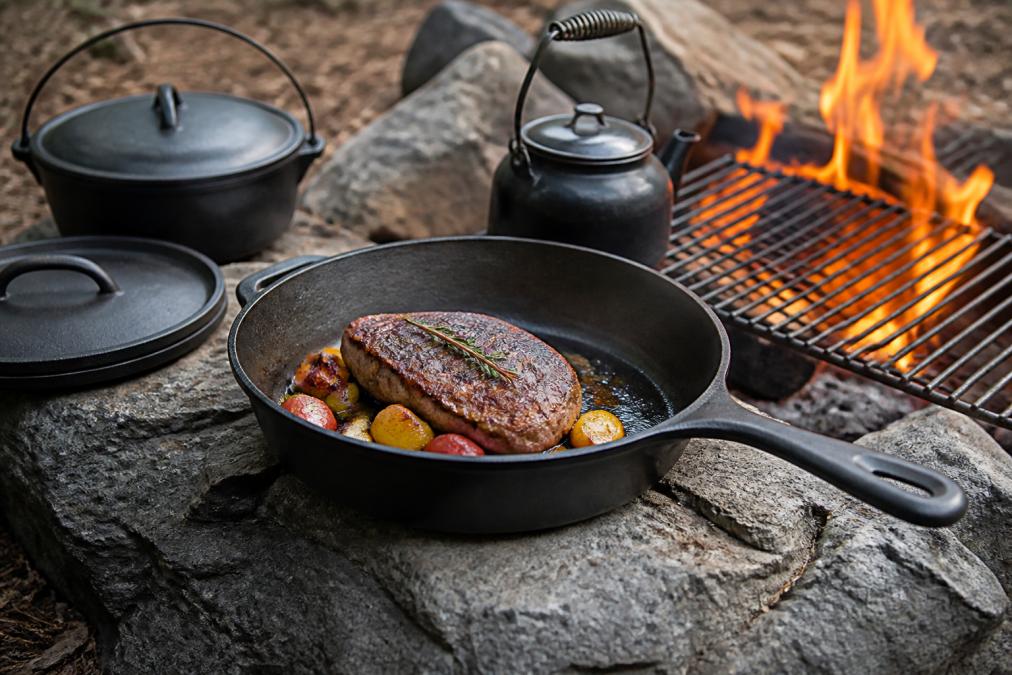
The 30-centimetre roasting pan is purpose-built for searing. Cast iron's heat retention means once you achieve a sear, the meat rests in that heat, developing a crust without drying out (peer-reviewed research on meat searing). The deep walls catch drippings for pan sauces, something flat skillets can't manage. For hunters or anyone cooking large cuts of meat over fire, this pan is the right tool.
The 40-by-23-centimetre griddle solves the camp breakfast bottleneck. Cook pancakes on one side while bacon and eggs go on the other. All at once, not in rotation. For groups, this efficiency matters. The flat surface and cast iron's thermal mass mean nothing sticks, nothing burns unevenly.
Bushcraft Cooking Gear: Portability Meets Performance
Bushcraft cooking strips away the luxury of a full camp kitchen setup. You're working with minimal gear, maximum versatility required. The best bushcraft cooking alternatives balance packability with real performance, equipment that doesn't sacrifice durability just to save weight.
This is where the ANVIL grill shines for backcountry use. It stakes apart for transport, weighs less than many fixed grills, and performs identically to heavier alternatives. The carbon steel grate fits in a pack or truck bed without taking up excessive space. For remote camping where you're carrying everything on your back or in a canoe, this portability without performance compromise is critical.
Cast iron pieces, while heavier than aluminum, are worth the weight trade-off. A single cast iron pot handles multiple cooking methods. Aluminum cookware requires backups because one piece typically does one job. When pack space is limited, carrying one heavy pot that does everything beats carrying three lightweight pans that each handle one task.
The weight-to-utility ratio favors cast iron in bushcraft contexts. Yes, it's heavier. But the performance difference, even heat distribution, durability, versatility, justifies the additional weight. A 2.3-kilogram Dutch oven that lasts a lifetime and handles braising, baking, and slow-cooking beats a 0.9-kilogram aluminum pot that warps after one season.
Comparison Table: Heavy-Duty Cooking Options
| Cooking Method | Best Equipment | Weight | Heat Control | Durability | Price | | --- | --- | --- | --- | --- | | Adjustable height searing/smoking | ANVIL Grill | Moderate | Excellent | Lifetime | $174.99 CAD | | Braising and slow-cooking | 30 cm Dutch Oven | Heavy | Very Good | Lifetime | $52.99 CAD | | One-pot versatility | 25 cm Cauldron | Moderate-Heavy | Very Good | Lifetime | $45.99 CAD | | High-volume searing | 30 cm Roasting Pan | Heavy | Excellent | Lifetime | $48.99 CAD | | Camp breakfast/griddle cooking | 40x23 cm Griddle | Heavy | Very Good | Lifetime | $37.99 CAD |
Weight-to-Utility Ratio: What Actually Matters in the Field
The most common objection to heavy-duty cast iron is weight. A 30-centimetre Dutch oven weighs around 4 kilograms (research on cookware weight). A comparable aluminum Dutch oven might weigh 1.8 kilograms. The 2.2-kilogram difference seems significant until you're actually cooking with both.
Here's what happens in practice: the aluminum pot cooks unevenly, develops hot spots, and warps after a few seasons. You end up replacing it. The cast iron pot cooks evenly from day one, lasts indefinitely, and actually improves with use. Over a 20-year period, you've bought four aluminum pots and maintained one cast iron pot. The total weight you've transported is actually higher with aluminum, and you've spent more money.
Weight matters most during transport and setup. Once the gear is at the fire, weight becomes irrelevant. Performance becomes everything. A cast iron piece that cooks consistently beats a lightweight piece that requires constant attention and produces uneven results.
The ANVIL grill's weight-to-performance ratio is exceptional. It's heavier than some adjustable grills, but the carbon steel construction means it won't warp or develop weak points. You're not replacing it after five seasons. The adjustability gives you cooking precision that fixed-height grills can't match. You're paying for durability and control, not just light weight.
For bushcraft cooking specifically, consider total pack weight across your entire kit. A single versatile cast iron piece that handles multiple cooking methods weighs less than multiple single-purpose aluminum pieces. The math favors cast iron when you're actually cooking in the field.
Material Durability and Maintenance in Wet Conditions
Wet conditions are where cheap cookware fails. Humidity, rain, and damp air accelerate rust on unprotected steel and aluminum. Cast iron, when properly maintained, actually thrives in wet conditions because the seasoning layer provides protection.
The key is immediate drying. After cooking or washing, cast iron should be dried on heat, place it back on the grill grate for a minute or two. This evaporates all surface moisture before it can cause rust. A light oil coat after drying completes the protection. This routine takes 60 seconds and prevents any rust formation.
Carbon steel grills like the ANVIL require the same approach. Burn off residue while the grate is hot, brush clean, and oil lightly. The carbon steel finish is naturally rust-resistant when properly maintained, but it's not stainless. The maintenance routine is minimal.
In wet backcountry conditions, cast iron and carbon steel actually outperform stainless steel and aluminum. Stainless can develop pitting corrosion in saltwater or mineral-rich environments. Aluminum oxidizes and develops a white coating. Cast iron, with its simple seasoning maintenance, remains stable and functional.
The lifetime warranty on Browns Outpost gear covers manufacturing defects, not user maintenance issues. But the design philosophy behind every piece assumes real-world use in wet, challenging conditions. The heavy construction and material choices reflect that reality.
Building a heavy-duty camp kitchen means investing in equipment that performs when conditions are worst. The ANVIL adjustable campfire grill and Browns Outpost cast iron cookware are engineered for this exact purpose, gear that delivers professional results over open fire, handles sustained direct flame contact without degradation, and improves with age rather than deteriorating. Get started with the ANVIL grill and a single cast iron piece, and you'll have the foundation for every cooking method open-fire cooking demands.
Frequently Asked Questions
Q: What makes heavy-duty cooking gear worth the investment compared to cheaper alternatives?
A: Heavy-duty cooking gear built from cast iron and carbon steel distributes heat evenly, holds temperature longer, and resists warping under direct flame. Cheaper aluminum or thin steel options warp quickly over campfire heat and develop hot spots that burn food. A cast iron piece lasts decades with proper care; budget alternatives need replacement every few seasons. The ANVIL adjustable campfire grill and cast iron cookware from Browns Outpost come with lifetime warranties, meaning your investment is protected indefinitely.
Q: How does an adjustable campfire grill differ from a fixed-height grill for bushcraft cooking?
A: An adjustable campfire grill lets you control heat exposure by raising or lowering the grate, enabling searing at low heights and slow-cooking at high positions on the same fire. Fixed-height grills force you to work around one temperature, often resulting in burnt edges or undercooked centers. Adjustable designs like the ANVIL give you precise control over every cook, making them essential for serious bushcraft cooking where fire intensity varies constantly.
Q: What's the difference between cast iron and stainless steel for open-fire cooking?
A: Cast iron retains and distributes heat far better than stainless steel, creating superior searing and even cooking. It's also more durable under direct flame and develops a natural non-stick seasoning layer over time. Stainless steel is lighter and requires less maintenance, but it doesn't hold heat as effectively and can develop hot spots. For heavy-duty, over-fire cooking, cast iron's thermal mass and durability make it the superior choice for long-term camp kitchen use.
Q: How do I maintain heavy-duty cast iron cookware in wet camping conditions?
A: After cooking, hand-wash with hot water only (no soap), dry immediately on heat, then apply a thin coat of neutral oil while still warm. This prevents rust between uses. Store gear in a dry location, even in a dry bag if camping in wet conditions. Cast iron's thick walls resist rust better than thin steel, but moisture is still the enemy. The key is drying immediately after use and re-oiling before storage, this takes two minutes and keeps your gear rust-free for decades.
Q: Is a heavy-duty adjustable grill like the ANVIL overkill for casual weekend campsite cooking?
A: Not if you cook regularly. The ANVIL's adjustable height and carbon steel durability mean you're buying a lifetime tool rather than replacing grills every few years. Even casual cooks benefit from precise heat control, it's the difference between burnt meat and properly seared steaks. At $174.99 with free shipping over $75 CAD and a lifetime warranty, you're investing in reliability that pays off over hundreds of cooking trips. If you only cook once a year, a basic grill might suffice; if you cook monthly or more, the ANVIL's control and durability justify the cost.
This article was written using GrandRanker